Serving the Pacific Northwest and Puget Sound area






The Most Common Roofing Issues We See in Older Portland Neighborhoods
Portland is known for its established neighborhoods, tree-lined streets, and homes with plenty of character. Many of these properties also have roofing systems that have been repaired, altered, or replaced more than once over the decades. Add frequent rain, seasonal wind, shade, and organic debris, and small roof vulnerabilities can become larger problems if they are not caught early.
Older homes do not automatically have failing roofs. However, aging materials, outdated installation methods, and years of moisture exposure can create conditions that require closer attention.
In this guide, we will explain the most common roofing issues found in older Portland neighborhoods, the warning signs homeowners should watch for, and when professional roof repair or replacement may be needed.
Why Older Portland Homes Face Different Roofing Challenges
A roof protects more than the rooms directly below it. It also helps defend the attic, insulation, walls, electrical systems, and structural framing from moisture.
Older Portland homes may have roofing systems that have experienced several generations of work. One owner may have replaced shingles, while another added skylights, repaired a chimney, or installed new gutters. Each change can affect how the roof manages water.
Common challenges include:
-
Aging shingles or roofing materials
-
Previous repairs that no longer seal properly
-
Limited or unbalanced attic ventilation
-
Multiple layers of roofing
-
Older flashing around penetrations
-
Tree debris and heavy shade
-
Hidden moisture beneath the visible roof surface
These conditions can overlap. For example, poor ventilation may contribute to attic moisture, while aging shingles and damaged flashing allow more water to enter from outside.
Worn, Cracked, or Missing Shingles
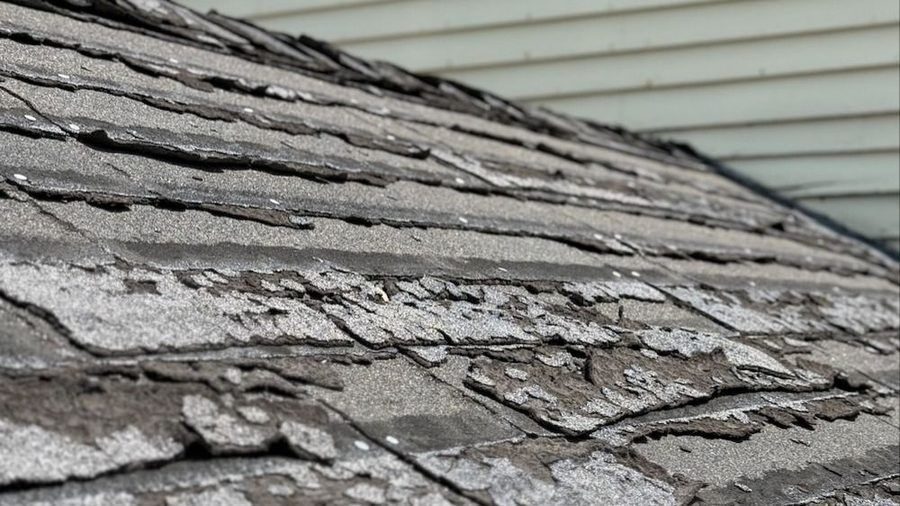
As asphalt shingles age, they gradually lose the protective granules on their surface. Those granules help shield the material from sunlight and weather exposure. When too many granules are lost, the shingles may become brittle, thin, or more vulnerable to cracking.
Older shingles may also curl at the edges, lift during strong winds, or break around fasteners. Missing shingles create exposed areas where rain can reach the underlayment and roof decking.
Watch for:
-
Bald or discolored areas on shingles
-
Shingle pieces in the yard
-
Granules collecting in gutters
-
Curling or lifted shingle edges
-
Exposed nails
-
Visible patches with mismatched materials
A few damaged shingles may be repairable. Widespread deterioration across several roof sections may indicate that the roofing system is approaching the end of its reliable service life.
Moss and Algae Growth
Moss is a familiar sight on shaded roofs throughout the Pacific Northwest. It often develops where moisture lingers, especially beneath trees or on roof sections that receive limited sunlight.
Although a thin green layer may seem harmless, moss can grow beneath shingle edges and gradually lift them. Raised shingles are more vulnerable to wind and allow water to move into areas that should remain protected.
Moss can also trap moisture against the roof surface, slow drainage, and contribute to premature material deterioration.
Homeowners should avoid aggressive pressure washing. High-pressure water can strip granules from shingles, force moisture beneath the roofing material, and damage flashing or sealants.
Professional roof moss treatment focuses on removing growth without creating additional damage. Preventive maintenance may also include trimming nearby branches, improving roof drainage, and keeping gutters clear.
Failing Flashing Around Roof Openings
Flashing is installed around chimneys, skylights, vents, valleys, and other areas where the roof surface changes direction or is interrupted. These locations are especially vulnerable because water must be redirected around seams and openings.
On an older roof, flashing may be:
-
Rusted or corroded
-
Loose or bent
-
Covered with layers of failing sealant
-
Improperly integrated with newer shingles
-
Separated from the chimney or siding
-
Damaged during previous repairs
Chimney flashing is a common source of leaks because masonry, metal, sealants, and roofing materials expand and contract at different rates. Skylights can also develop problems around their frames, flashing systems, or surrounding shingles.
Applying more caulk is rarely a dependable long-term solution. Effective flashing repair requires identifying how water is entering and restoring the full drainage path.
Hidden Roof Leaks and Moisture Damage
Not every roof leak creates an obvious drip. Water may travel along rafters, roof decking, pipes, or wiring before appearing inside the home. A ceiling stain may be several feet away from the original entry point.
Hidden leaks can continue for months before homeowners notice visible damage. During that time, moisture may affect insulation, wood framing, drywall, and indoor air quality.
Possible signs of a hidden roof leak include:
-
Brown or yellow ceiling stains
-
Peeling paint near exterior walls
-
Damp or compressed attic insulation
-
Dark staining on roof decking
-
Musty odors in upper rooms
-
Water marks around vents or chimneys
-
Rusted nails in the attic
-
Soft or deteriorated wood
-
Unexplained increases in indoor humidity
Roof leaks should be inspected promptly, even when the visible stain appears small. The surface damage may represent only a portion of the affected area.
Clogged or Aging Gutters
Gutters are part of the roofing system. They move rainwater away from the roof edge, siding, landscaping, and foundation. When they are clogged, loose, or incorrectly pitched, water may overflow and collect where it should not.
Older Portland neighborhoods often have mature trees that drop leaves, needles, seed pods, and small branches. This debris can quickly fill gutters, particularly during fall and winter.
Overflowing gutters may contribute to:
-
Rotted fascia boards
-
Damaged soffits
-
Water beneath the roof edge
-
Stains on siding
-
Erosion near the foundation
-
Basement or crawl space moisture
-
Ice-related problems during freezing weather
Gutters may also pull away from the home when fasteners loosen or the system becomes too heavy with debris and standing water.
Regular gutter cleaning and inspection can help reveal drainage problems before they affect nearby roofing materials.
Poor Attic Ventilation
Attic ventilation helps control heat and moisture beneath the roof. A balanced system generally uses intake vents near the lower edge of the roof and exhaust vents near the upper portion.
Some older homes were built with limited ventilation. Others have vents that were blocked during insulation work, remodeling, or previous roof replacement.
Poor ventilation can contribute to:
-
Condensation on the roof decking
-
Damp insulation
-
Musty attic odors
-
Mold or mildew growth
-
Premature roofing deterioration
-
Uneven indoor temperatures
-
Higher heating or cooling demand
Adding more vents does not automatically solve the problem. Intake and exhaust must work together, and the system must be appropriate for the attic design.
A professional inspection can evaluate airflow, insulation placement, existing vents, and signs of moisture accumulation.
Aging Roof Decking and Structural Materials
Roof decking is the wood surface beneath the underlayment and shingles. Because it is covered, homeowners usually cannot see its condition from the outside.
Years of leaks, condensation, or repeated moisture exposure can cause decking to soften, rot, or separate. Damaged decking may no longer hold nails securely or provide a stable base for roofing materials.
Warning signs can include sagging roof sections, uneven surfaces, soft areas, persistent leaks, or visible damage inside the attic.
Decking condition becomes especially important during roof replacement. Installing new shingles over deteriorated wood does not correct the underlying structural problem. Damaged sections should be identified and replaced before the new roof is completed.
Improper Repairs and Multiple Roofing Layers
Temporary patches can sometimes control a leak until permanent repairs are possible. Problems develop when short-term solutions remain in place for years or when repairs are completed without addressing the source of the water.
Common repair problems include excessive roof cement, exposed fasteners, poorly fitted shingles, mismatched flashing, and sealant applied over damaged materials.
Some older homes may also have more than one layer of roofing. Multiple layers can hide deteriorated decking, add weight, and make it more difficult to assess the roof’s full condition.
A professional roofing inspection can distinguish between cosmetic patching and repairs that properly restore the roof’s protective system.
What Homeowners Can Check Between Inspections
Homeowners should not climb onto a wet, steep, or aging roof. Many useful observations can be made from the ground, through an upstairs window, or inside the attic.
Look for:
-
Missing, lifted, or visibly damaged shingles
-
Moss collecting along roof edges and valleys
-
Gutters that overflow during rain
-
Downspouts that do not drain properly
-
Debris collecting near chimneys or skylights
-
Sagging or uneven roof areas
-
Ceiling stains or peeling paint
-
Damp insulation or attic wood
-
Daylight visible through the roof
-
Loose flashing or exterior trim
Documenting when and where a problem appears can help a roofing professional narrow down the source. For example, note whether a stain becomes darker after wind-driven rain or only appears during prolonged storms.
Is Roof Repair or Replacement the Better Choice?
Not every leak requires a new roof. Localized damage may be repairable when the surrounding materials remain in good condition.
Roof repair may be appropriate when:
-
Damage is limited to a small area
-
Most shingles remain secure and flexible
-
Flashing failure is isolated
-
The roof has not experienced repeated leaks
-
The decking is structurally sound
Replacement may provide better long-term value when deterioration is widespread, repairs have become frequent, multiple sections are leaking, or the roof decking has extensive damage.
The decision should consider roof age, material condition, ventilation, leak history, repair costs, and how long the homeowner plans to remain in the property.
Protect Your Older Portland Home With Professional Roofing Care
Older Portland homes offer distinctive architecture and lasting value, but their roofs often require careful evaluation. Worn shingles, moss growth, failing flashing, clogged gutters, poor ventilation, hidden leaks, and aging decking can all reduce a roofing system’s ability to protect the home.
Guardian Roofing, Gutters & Insulation understands the challenges that affect established homes throughout the Portland area. Our team can inspect your roof, identify the source of the damage, and recommend repairs or replacement based on the system’s actual condition.
If you have noticed a ceiling stain, moss growth, damaged shingles, overflowing gutters, or other roofing concerns, contact us today to schedule a professional roof inspection.

Schedule Your Service With Us Today
Offering 5-Star Service To The PNW and puget sound Area