Serving the Pacific Northwest and Puget Sound area





Chimney Flashing Repair & Replacement in the Pacific Northwest
A chimney creates an opening through the roof, and flashing helps keep that transition watertight through the Pacific Northwest’s frequent rain and wet winters. Loose, corroded, damaged, or improperly installed chimney flashing can give water a path beneath the roofing and into the surrounding structure.
Call contact us online to schedule chimney flashing inspection, repair, or replacement.
Signs You Need Chimney Flashing Repair
A leak near a chimney does not automatically identify the flashing as the source. These symptoms warrant an inspection of the flashing and nearby chimney components.
-
Ceiling or wall stains. Water marks near the chimney can indicate moisture entering around the roof penetration, though the precise entry point requires inspection.
-
Visible flashing gaps. Metal that has lifted, separated, or pulled away from the chimney can leave the roof-to-masonry transition exposed.
-
Corroded flashing. Rust, holes, or deteriorated metal can prevent older flashing from reliably directing water onto the roof surface.
-
Recurring chimney leaks. A leak that returns after temporary patching may indicate failed flashing details that need repair or replacement.
-
Damaged sealant or mortar joints. Deterioration where counterflashing meets the chimney can create openings for wind-driven rain.
Professional Chimney Flashing Services
Chimney flashing uses metal components to direct water around the point where masonry meets the roof. Depending on the roof and chimney construction, the assembly may include step flashing along the sides, apron flashing at the lower edge, counterflashing tied into the masonry, and a cricket or saddle behind wider chimneys.
These pieces have to work together. Simply applying roofing cement or sealant over a visible gap may temporarily cover an opening without correcting damaged metal, poor overlaps, or an installation problem beneath it.
Guardian’s chimney services address chimney-related roof problems where water can enter around this exposed penetration. During an inspection, technicians can examine the flashing, surrounding roofing, chimney exterior, and visible transition points to identify the likely source before recommending a chimney repair.
Chimney Flashing Repair
Repair can be appropriate when the flashing assembly remains largely serviceable and the problem affects a limited area. Depending on its condition, work may involve correcting loose flashing, addressing a failed connection, or repairing the transition between the metal and adjacent materials.
The surrounding roof should be inspected at the same time. Damaged shingles or other roofing materials next to the chimney can produce symptoms similar to failed flashing, and water may travel beneath the roof covering before becoming visible indoors.
Chimney Flashing Replacement
Replacement may be necessary when flashing has extensive corrosion, physical damage, poor installation, or deterioration that makes another localized repair unreliable. Existing materials may need to be removed so the roof-to-chimney transition can be rebuilt correctly.
Proper overlaps matter because flashing works by directing water downward and onto the roof surface. Replacement should account for roof slope, chimney dimensions, roofing material, and the condition of the masonry where counterflashing is installed.
Chimney Cricket & Water Diversion
Water flowing down a roof can collect behind a chimney, particularly when the chimney creates a broad obstruction across the roof slope. A properly designed cricket or saddle divides that flow and directs water around the chimney.
When inspecting a recurring leak, the technician can check whether water is draining correctly behind the chimney or lingering in a vulnerable area. Existing cricket flashing should also be examined for deterioration and improper connections.
Chimney Caps & Related Components
Flashing protects the base of the chimney where it meets the roof, while a chimney cap protects an opening at the top of the chimney. Because these components address different entry points, chimney cap installers cannot correct a leak caused by failed base flashing simply by installing a new cap.
Chimney servicing should consider the complete exterior assembly when the source of water is uncertain. If rain is being absorbed through exposed masonry or a deteriorated crown rather than entering at the roof transition, chimney sealing may be relevant after the masonry condition has been evaluated.
Schedule Your Service With Us Today
Offering 5-Star roofing, gutter and insulation Services to the PNW and Puget Sound area.

Why Choose Guardian for Chimney Flashing Repair?
Guardian Roofing, Gutters & Insulation has served Pacific Northwest homes since 2005. Chimney flashing sits at the intersection of roofing and chimney components, so diagnosing a leak requires an understanding of how water moves across both surfaces.
Guardian can inspect the flashing and surrounding roofing before determining whether a targeted repair or full flashing replacement fits the condition. This approach addresses the actual water-entry point rather than assuming every stain near a chimney has the same cause.
Call 877-926-9966 to have Guardian inspect and fix chimney flashing before continued water entry damages surrounding roofing or interior materials.
$1,000 OFF
New K-Guard Gutter System$8,000 Minimum Purchase
Expires:
Oct 31, 2026
Terms and Conditions apply, Coupons cannot be combined with other offers.
Terms and Conditions apply, Coupons cannot be combined with other offers.
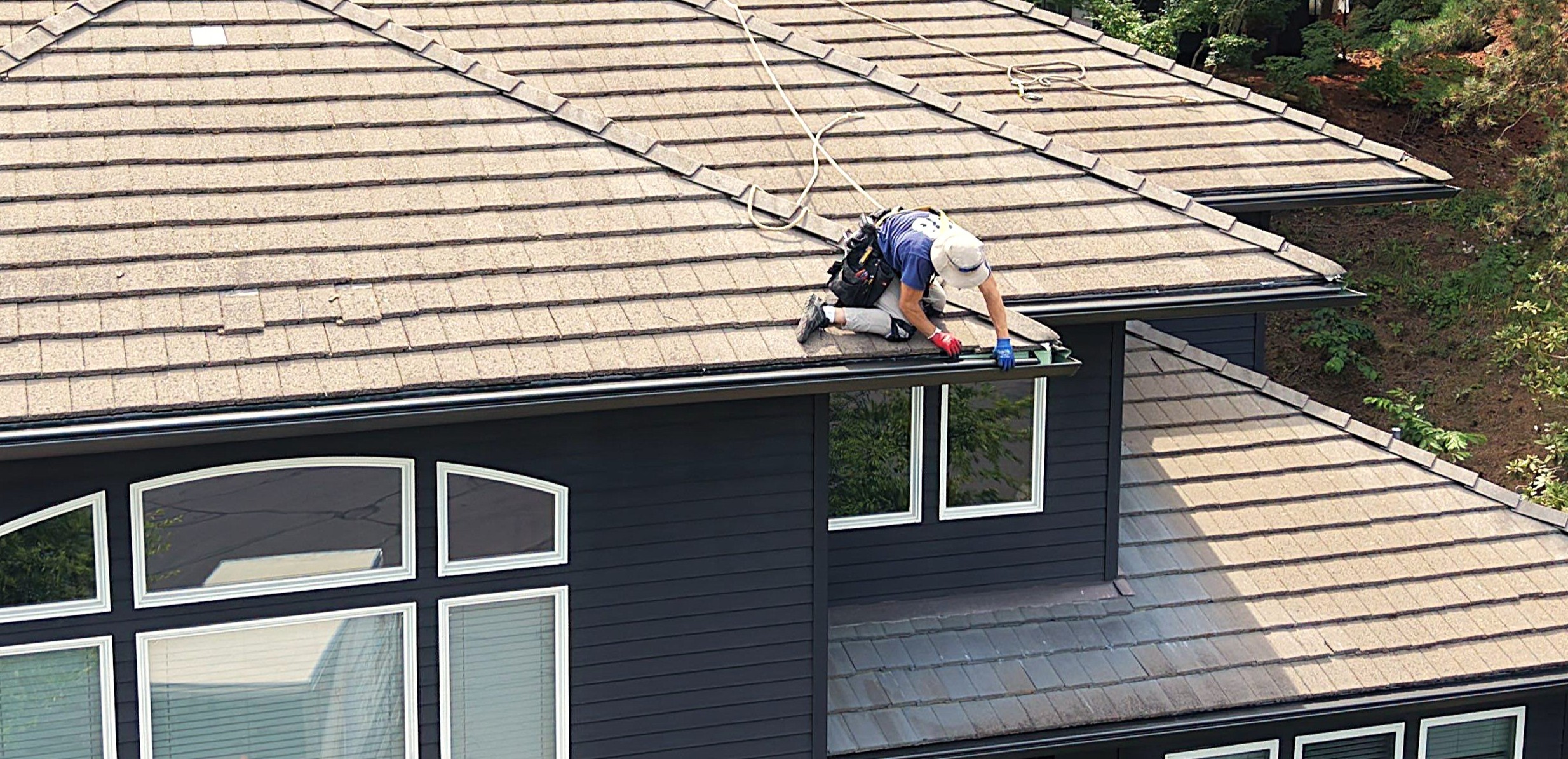
Protect Your Roof Year-Round
Keep your roof in top shape with the Guardian Protection Plan and enjoy ongoing maintenance, priority service, and exclusive savings.Contact Us
FAQS
Frequently Asked Questions
Guardian Roofing has a knowledgable and experienced team that can help answer a variety of questions you may have.TESTIMONIALS
Testimonials From
Our Valued Clients

Truly a customer service professional and a five star asset to your company.

George Williamson
2 days ago
Great crew. Excellent work.

kyle kautz
2 days ago
Prompt, professional, friendly service, clear communication and follow up

Richie F
2 days ago
Christian, Jessie, and Marco removed my wood shingles and replaced them with asphalt shingles, and they did a wonderful job. They were very friendly, always happy with their work, and accommodating. I really liked them all (and my wife did too).

LES WOLF
3 days ago
Our roof Inspection included video of shingle and flashing problem areas as well as attic leak area. Dallas was very clear when describing required repairs and provided a reasonable quotation for the needed roof repair.

Jack Merrow
3 days ago
Jose was friendly, communicative and kind. He explained the replacement process, gave a timeline and completed the job with ease. Our gutters look great.

Catherine Tomkow
4 days ago
Tim M. and Sam R. were great! Very professional and kind, explaining what the process was for installation. They cleaned up my driveway and all around the house outside. Amazing work! Thank you so much.

Lisa Bell
5 days ago
Ronny who did our gutters was awesome. He is very knowledgeable and good at his job. We have an old house with a tricky gutter section that caused us issues in the past and he did a great job fixing that issue and also making it look far better then it was before.

Jeremy Kaina
5 days ago
We had a water leak coming in through a recessed light fixture. Guardian came and inspected the roof from inside the attic and on the roof itself. Although it took a bit of time, Max showed me pictures of the issues, showed a diagram of the current vents, and showed which ones have been leaking.
He Thoroughly explain what was to be done to fix the leak by replacing the vent boots, sealant, and saturated plywood underneath. He explained to me some preventative work to replace some damaged shingles, replace some plastic vents with metal, and move vents to better ventilate the attic. He gave me an estimate for 3 tiers of work, options of what needed to be done now vs later, and let me know there were payment options available. It was roof work so it wasn't cheap, but I believe it was fairly priced.
We decided to have all of the work done now so I gave them a down payment. The lead contacted me by email to let me know when they would have the materials and could come do the work. He said I didn't need to be home since they would do all the work externally. They came back came with all the materials about a week later and finished the work in one day. They got the work done, cleaned up, and were very professional.
He Thoroughly explain what was to be done to fix the leak by replacing the vent boots, sealant, and saturated plywood underneath. He explained to me some preventative work to replace some damaged shingles, replace some plastic vents with metal, and move vents to better ventilate the attic. He gave me an estimate for 3 tiers of work, options of what needed to be done now vs later, and let me know there were payment options available. It was roof work so it wasn't cheap, but I believe it was fairly priced.
We decided to have all of the work done now so I gave them a down payment. The lead contacted me by email to let me know when they would have the materials and could come do the work. He said I didn't need to be home since they would do all the work externally. They came back came with all the materials about a week later and finished the work in one day. They got the work done, cleaned up, and were very professional.

Cindy Hyder
5 days ago
Awesome Customer Service! Deepish explained everything & answered all of our questions! Not rushed but explained & showed us a video of our roof & gutter.

Sapai Levu
6 days ago
Superb work again from Guardian Roofing. Their assessment of my roof was candid and reassuring. Great work!

Jps
6 days ago
This is the third time I've used GUARDIAN ROOFING to schedule a roof cleaning and treat the roof and gutters. The service tech Maison Becker was superb! Work to be done next week. That have always been professional, efficient and thorough! I have recommended GUARDIAN ROOFING to neighbors and friends for several years. Continue to recommend them wholeheartedly to anyone having any roof issues!

Gerald Bernhoft
7 days ago
I had leaks in my roof valleys. Juan Meji showed up on time and explained exactly what he was going to do to repair my roof. Juan did a fantastic job!. It rained the next day with no more leaks! Juan never stopped working even for lunch! If I had a business I would want Juan as my number one guy! He explained again all that he did and more! Thank you Ron Bracali for sending your best worker to my house! Thanks again Juan Mejia and Guardian roofing! Great value and great service! Allen Banks

Allen Banks
1 week ago
He’s so thorough amazing videos & explanations well displayed on computer screen. Did amazing personal explanations as well. Including great knowledge of financing processes
Highly recommend
Highly recommend

Terry Rismon
1 week ago
I really like Guardian Home Services. Four years ago we had a roof leak. Our old roof needed replacing but we weren't ready financially to do it. All the roofer companies I had out refused to repair the roof, except Guardian. They acknowledged that the roof needed replacing but said they could do some repairs to help the roof last a few more years allowing us to continue to save for a replacement. They did great work. Well that was 4 years ago and it is now time to replace the roof. We will definitely consider Guardian when choosing a roofing company to replace our roof this year.

Michael Saunders
1 week ago
Jimmy was wonderful! He was very thorough in educating us on the materials used and the process for our new roof, insulation, gutters and repair of our fireplace.

Cheryl Nielsen
1 week ago
TLOVE and JJ help me choose windows to update and preseve my home. Easy affordable Financing, and high quility triple pane windows. Both JJ and TLOVE listened to what I wanted and neede. .Shout out to Dabellla for making this happen, my current windows are failing and over 38 yrs old. ILL follow with pics when project is completed!

Barbara Cloninger
1 week ago
Edgar did a great job… He showed up on time he was very personable. He was very professional when he was finished doing the roof inspection. He showed me all the videos and explained everything to me in detail… Super nice friendly guy highly recommend.
This was for the estimate to clean the roof
This was for the estimate to clean the roof

Shelly Scott
1 week ago

Schedule Your Service With Us Today
Offering 5-Star Service To The PNW and puget sound Area