Serving the Pacific Northwest and Puget Sound area






How Long Do Composite Roofs Last in the PNW?
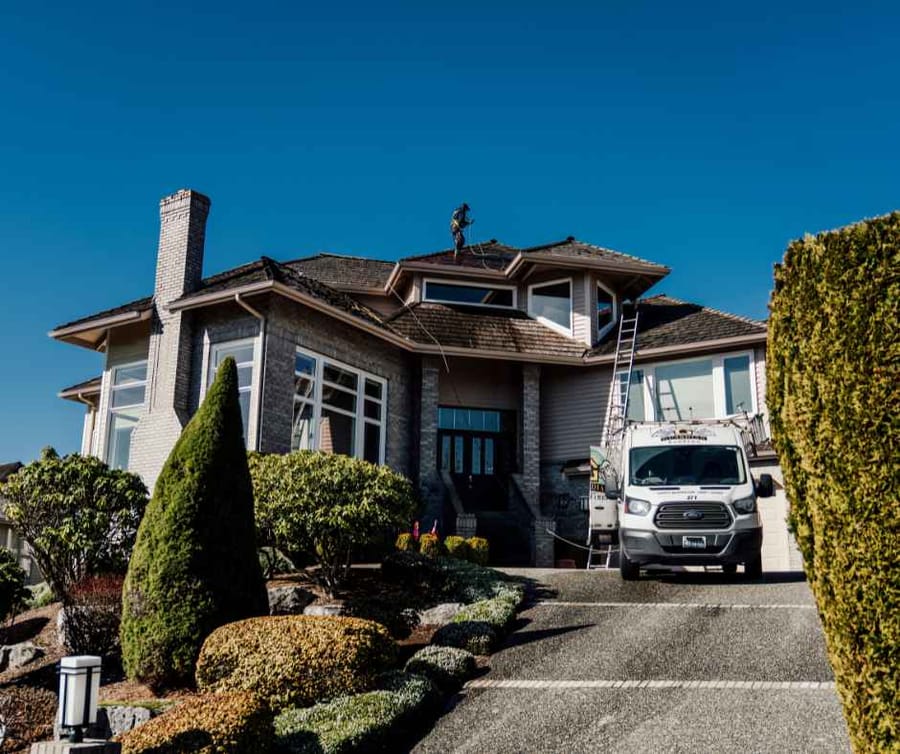
A composite roof typically lasts 20 to 50 years, depending on the quality of the shingles, installation, maintenance, attic ventilation, and local weather conditions. In the Pacific Northwest, rain, moss, algae, shade, and moisture can shorten a roof’s lifespan if it is not inspected and maintained regularly.
Composite roofing is designed to provide homeowners with a durable, attractive roofing option that can mimic the look of materials such as wood shake, slate, or traditional shingles. While composite roofs can last for decades, their actual lifespan depends on how well they are installed and maintained.
In this guide, we will explain how long composite roofs last, what affects their lifespan, warning signs to watch for, and how Pacific Northwest homeowners can help their roofs last longer.
How Long Does a Composite Roof Last?
Most composite roofs last between 20 and 50 years. Higher-quality composite shingles may last longer when properly installed and consistently maintained.
Composite roof lifespan depends on:
- Shingle quality
- Roofing manufacturer
- Installation workmanship
- Roof slope
- Attic ventilation
- Insulation
- Gutter condition
- Tree coverage
- Moss and algae growth
- Storm exposure
- Regular roof maintenance
If your composite roof is approaching 20 years old, it is a good idea to schedule regular roof inspections so a roofing professional can catch small issues before they become larger problems.
What Is a Composite Roof?
A composite roof is made from engineered roofing materials designed to provide durability, style, and weather resistance. Composite shingles can be made from materials such as asphalt, fiberglass, recycled plastics, polymers, or other synthetic blends.
Composite roofing is popular because it can offer:
- The look of natural wood shake
- The look of slate
- The look of traditional shingles
- Lower maintenance than some natural materials
- Strong weather resistance
- Multiple color and profile options
- Lighter weight than some premium roofing materials
- Good value for many homeowners
Composite roofing can be a strong option for homeowners seeking a balance of aesthetics, durability, and long-term performance.
What Affects How Long a Composite Roof Lasts?
Several factors can affect how long a composite roof lasts. Even a high-quality roof can wear out early if it is installed poorly, exposed to heavy moisture, or neglected for years.
Common factors that affect composite roof lifespan include:
- Material quality: Premium composite shingles usually last longer than lower-cost products.
- Installation quality: Poor installation can lead to leaks, loose shingles, and premature failure.
- Pacific Northwest weather: Rain, wind, shade, and moisture can accelerate roof wear.
- Moss and algae growth: Organic growth can trap moisture and damage roofing materials over time.
- Attic ventilation: Poor ventilation can trap heat and moisture under the roof deck.
- Insulation problems: Inadequate insulation can contribute to condensation and temperature stress.
- Gutter maintenance: Clogged gutters can cause water to back up onto the roofline.
- Tree coverage: Overhanging branches can drop debris, create shade, and encourage moss growth.
- Storm damage: Wind, falling branches, and heavy rain can shorten a roof’s lifespan.
- Maintenance habits: Regular inspections and timely repairs can extend the roof’s lifespan.
What Are the Signs a Composite Roof Needs Replacement?
A composite roof may need replacement when damage is widespread, repairs are becoming frequent, or the roof can no longer protect the home properly.
Signs your composite roof may need replacement include:
- Missing shingles
- Cracked shingles
- Curling or lifting shingles
- Granule loss
- Bald spots on shingles
- Moss or algae covering large areas
- Roof leaks
- Water stains on ceilings or walls
- Sagging roof areas
- Damaged flashing
- Soft spots on the roof deck
- Frequent repair needs
- Shingles that look worn or brittle
- Rising concerns after storms
If you notice several of these issues, schedule a professional inspection before the damage spreads.
How Can You Tell If Composite Shingles Are Wearing Out?
Composite shingles often show visible signs of aging before the roof fails completely. Some wear is normal over time, but widespread damage should not be ignored.
Watch for these signs of shingle wear:
- Shingles losing their protective surface
- Shingles that appear faded or discolored
- Edges that are curling upward
- Cracks across the shingle surface
- Loose or shifting shingles
- Excessive granules in gutters
- Moss growing between shingles
- Uneven roof texture
- Shingles that break easily
- Dark streaks or staining
These signs may indicate the roof needs repairs, maintenance, or replacement, depending on the system’s age and condition.
What Shortens the Lifespan of a Composite Roof?
A composite roof may wear out faster when it is exposed to moisture, debris, poor airflow, or neglected maintenance. In the Pacific Northwest, moisture-related roof issues are especially important to monitor.
Composite roof lifespan may be shortened by:
- Heavy moss growth
- Algae buildup
- Standing debris
- Clogged gutters
- Poor attic ventilation
- Damaged flashing
- Improper installation
- Low-quality materials
- Overhanging tree branches
- Repeated storm damage
- Delayed repairs
- Excessive shade
- Water pooling in roof valleys
Addressing these issues early can help protect the roof and prevent avoidable damage.
How Does Pacific Northwest Weather Affect Composite Roofing?
Pacific Northwest weather can be tough on roofing systems. Frequent rain, damp conditions, shaded roofs, and seasonal wind can all contribute to wear over time.
Local weather can affect composite roofing by causing:
- Moss growth on shaded areas
- Algae staining
- Moisture trapped under debris
- Gutter overflow
- Flashing leaks
- Wind-lifted shingles
- Faster wear in roof valleys
- Water intrusion around vents, skylights, or chimneys
Because of these conditions, homeowners in the Pacific Northwest should be proactive with roof inspections, gutter cleaning, and moss prevention.
How Can You Make a Composite Roof Last Longer?
You can help a composite roof last longer by keeping it clean, maintaining drainage, preventing moss growth, and repairing small problems quickly.
To extend the composite roof lifespan:
- Schedule regular roof inspections.
- Clean gutters and downspouts.
- Remove leaves, branches, and roof debris.
- Trim overhanging tree limbs.
- Watch for moss, algae, and dark streaks.
- Address missing or damaged shingles quickly.
- Check attic ventilation.
- Make sure insulation is performing properly.
- Inspect flashing around chimneys, vents, and skylights.
- Schedule professional maintenance after major storms.
- Avoid pressure washing shingles.
- Do not walk on the roof unless necessary.
Consistent maintenance can help prevent moisture damage and extend the life of the roof.
What Maintenance Helps Composite Roofing Last Longer?
Composite roofs do not usually require intense maintenance, but they do need regular care. The goal is to keep water flowing off the roof and stop small problems from spreading.
Helpful maintenance steps include:
- Clean gutters: Clogged gutters can cause water to back up along the roofline.
- Remove debris: Leaves and branches can hold moisture against the roof.
- Control moss: Moss can lift shingles and trap water.
- Inspect after storms: Wind and falling limbs can damage shingles or flashing.
- Repair flashing: Damaged flashing can allow water into the home.
- Check attic airflow: Proper ventilation helps reduce heat and moisture buildup.
- Schedule annual inspections: A roofer can find issues that are hard to see from the ground.
Homeowners should avoid harsh cleaning methods that can damage roofing materials.
Can Moss Damage a Composite Roof?
Yes, moss can damage a composite roof if it is allowed to grow unchecked. Moss holds moisture against the shingles and can work its way between roofing materials.
Moss can lead to:
- Lifted shingles
- Trapped moisture
- Faster material wear
- Roof leaks
- Damaged roof edges
- Clogged gutters
- Reduced roof lifespan
Moss should be removed safely using roofing-approved methods. Pressure washing is not recommended because it can damage the shingle surface.
Why Does Attic Ventilation Matter for Composite Roofs?
Attic ventilation helps manage heat and moisture under the roof. Poor ventilation can cause warm, moist air to accumulate in the attic, which may, over time, affect the roof deck and roofing materials.
Good attic ventilation can help reduce:
- Moisture buildup
- Condensation
- Mold risk
- Heat stress
- Roof deck damage
- Premature shingle wear
- Ice-related issues in colder conditions
A roofing professional can inspect your ventilation and recommend improvements if airflow is restricted.
When Should You Call a Roofer About a Composite Roof?
You should call a roofer if your composite roof is leaking, missing shingles, showing widespread wear, or is more than 20 years old. You should also schedule an inspection after strong storms or if you notice new stains inside your home.
Call a roofing professional if you see:
- Active roof leaks
- Water stains on ceilings
- Missing or loose shingles
- Large moss-covered areas
- Sagging roof sections
- Damaged flashing
- Granules collecting in gutters
- Soft spots on the roof
- Storm damage
- Repeated roof repairs
- A roof nearing the end of its expected lifespan
A professional inspection can help determine whether you need maintenance, repair, or replacement.
Should You Repair or Replace a Composite Roof?
Whether you should repair or replace a composite roof depends on the roof’s age, damage level, leak history, and overall condition.
Repair may make sense if:
- The roof is relatively new.
- Damage is limited to a small area.
- Only a few shingles are missing or damaged.
- Flashing needs minor repair.
- The roof deck is still in good condition.
- There are no widespread leaks.
- The rest of the roof looks healthy.
Replacement may make sense if:
- The roof is 20 to 50 years old.
- Damage is widespread.
- Repairs are becoming frequent.
- Leaks keep returning.
- Shingles are brittle or failing.
- Moss or moisture damage is extensive.
- The roof deck may be compromised.
- The roof no longer reliably protects the home.
A roofer can compare repair costs, roof age, and long-term value to help you make the best decision.
Who Can Inspect or Replace a Composite Roof in the Pacific Northwest?
Guardian Roofing helps homeowners evaluate, repair, maintain, and replace roofing systems in the Pacific Northwest. A professional roof inspection can identify shingle wear, flashing problems, ventilation issues, moss concerns, and signs of moisture damage.
A roof inspection may include:
- Checking shingle condition
- Looking for leaks
- Inspecting flashing
- Reviewing moss and algae growth
- Checking gutters and drainage
- Looking for storm damage
- Evaluating roof valleys
- Reviewing ventilation concerns
- Recommending repair or replacement options
Professional guidance helps protect your home and your investment.
Schedule a Composite Roof Inspection With Guardian Roofing
A composite roof can last for decades, but only if it is properly installed, maintained, and inspected. If your roof is aging, leaking, covered in moss, or showing signs of wear, now is the time to take action before small problems become expensive repairs.
Contact Guardian Roofing today to schedule a composite roof inspection or replacement consultation. Our team can evaluate your roof, explain your options, and help protect your home with roofing solutions built for Pacific Northwest weather.

Schedule Your Service With Us Today
Offering 5-Star Service To The PNW and puget sound Area