Serving the Pacific Northwest and Puget Sound area






Buying a Recently Flipped House? Read This First!
Walking into a freshly flipped home can feel like stepping into a dream. The walls are a perfect neutral gray, the kitchen boasts gleaming white quartz, and the “new home” smell is in the air. But as roofing and exterior experts, we’ve seen what often hides behind that fresh coat of paint.
A “flip” is essentially a race against time and budget. While many flippers do quality work, others prioritize “lipstick” upgrades—visible cosmetics—while ignoring or hiding expensive structural issues.
Before you sign on the dotted line, here are the critical areas where flippers often cut corners and how you can spot the red flags.
The “New” Roof That Isn’t
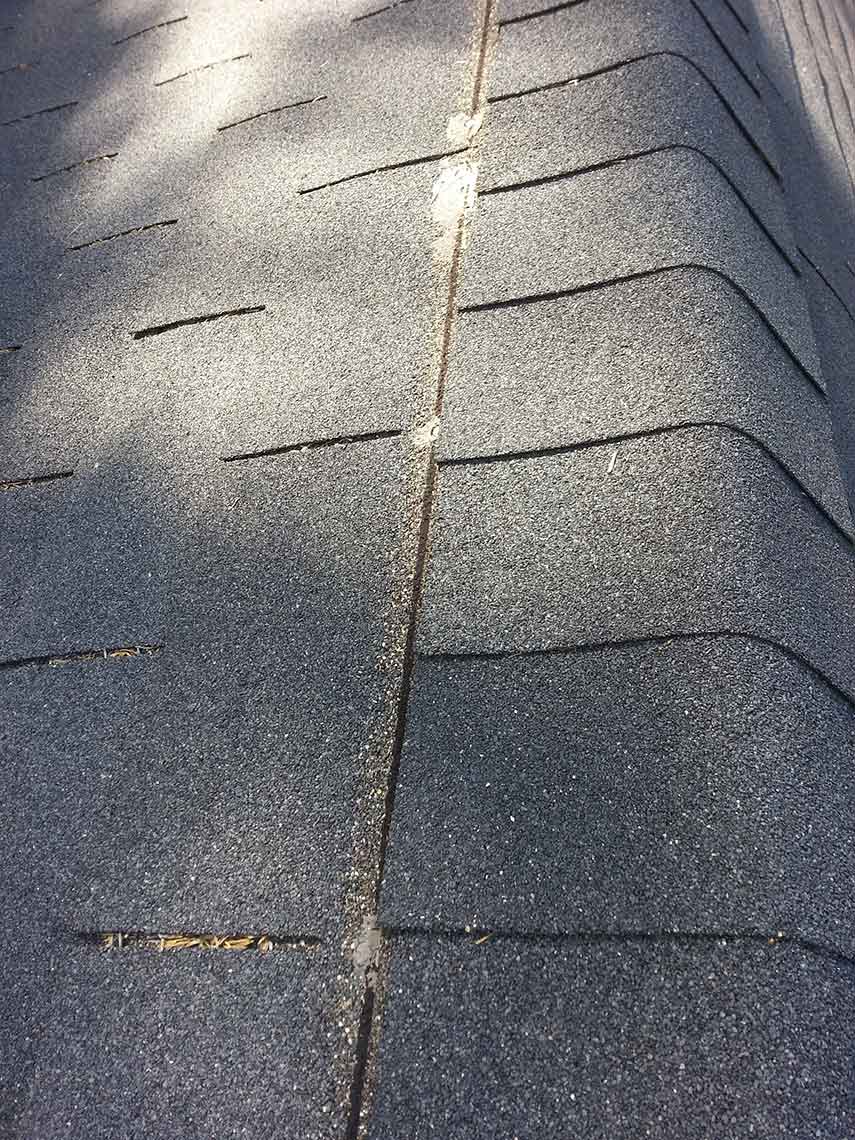
The roof is one of the most expensive systems to replace. To save money, some flippers will perform a “lay-over” (installing new shingles over old ones) rather than a full tear-off.
The Red Flag: Look at the roofline from the street. Does it look unusually thick or wavy? Check the edges; if you see layers of old shingles underneath the new ones, that roof won’t last half as long as it should and may even violate local building codes.
The Gutter Gap
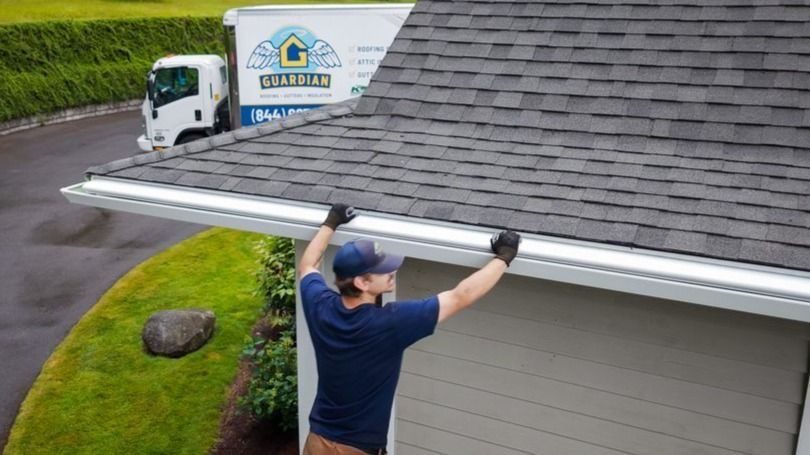
Flippers love to replace siding because it transforms the house’s look, but they often neglect the drainage. We frequently see brand-new siding paired with old, leaky gutters or—worse—gutters that aren’t pitched correctly.
The Red Flag: Look for “tiger stripes” (dark streaks) on the outside of the gutters or signs of soil erosion directly beneath the roofline. If the water isn’t moving away from the house, that beautiful new interior will soon have a wet basement or crawlspace.
Masking Water Damage with Paint
A common trick is to use heavy-duty primer and fresh paint to hide water stains on ceilings or mold in corners.
The Red Flag: Trust your nose. If a room smells heavily of air freshener or has a faint musty odor despite the “new” look, there may be hidden moisture. Run your hand along the walls near windows and under sinks—if the drywall feels uneven or “bubbly,” it’s likely covering old water damage.
Permitting Paperwork (Or Lack Thereof)
Structural, electrical, and plumbing work almost always requires a permit. If a flipper moved a wall to create an “open concept” kitchen or added a bathroom without pulling permits, you could be inheriting a major safety hazard and a legal headache.
The Red Flag: Ask for the permit history. If the house was gutted but no permits were filed with the city, it means no professional inspector ever verified that the work was done to code.
Inconsistent Quality
A tell-tale sign of a “cheap flip” is when the flipper spends big on things you can see (like a fancy fridge) but goes cheap on things you use.
The Red Flag: Look at the “boring” stuff. Is the water heater 15 years old? Is the electrical panel a mess of unlabeled wires? Is the HVAC unit covered in dust and rust? If they didn’t care about the mechanical systems that keep the home running, they probably didn’t care about the quality of the renovation either.
The Guardian Advice: Get an Expert Eye
Don’t let a beautiful backsplash blind you to a failing structure. A standard home inspection is a great start, but for a flipped home, we highly recommend a specialized roof and attic inspection.
The attic is the one place flippers rarely “beautify,” and it’s where the truth lives. We can spot improper venting, hidden leaks, and poor insulation that the flipper hoped you’d never see.
Thinking of buying a renovated home? Give Guardian Roofing, Gutters & Insulation a call. We’ll help you make sure your “new” home is as solid on the outside as it looks on the inside.


Schedule Your Service With Us Today
Offering 5-Star Service To The PNW and puget sound Area