Serving the Pacific Northwest and Puget Sound area






Spring Roof Repair Checklist: What Pacific Northwest Homeowners Should Inspect After Winter
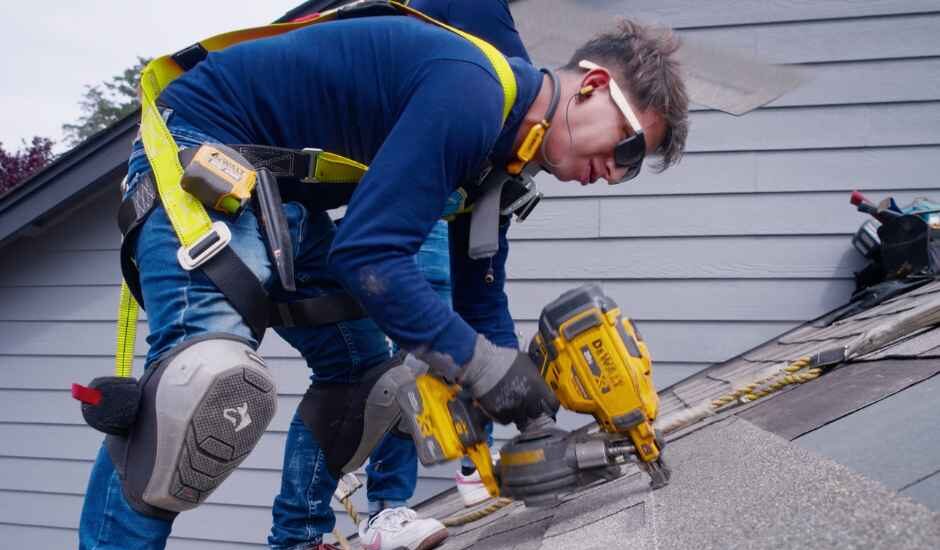
Pacific Northwest homeowners should inspect shingles, gutters, flashing, attic spaces, and tree overhangs each spring after winter weather. Checking for leaks, drainage issues, moss, and storm damage early can help prevent larger roof repairs later.
Winter weather in the Pacific Northwest can wear down a roof faster than many homeowners expect. After months of rain, wind, debris, moss growth, and temperature swings, spring is the right time to inspect your roof for damage and address small issues before they become expensive repairs.
In Oregon and Washington, roofs often face prolonged exposure to moisture, clogged gutters, and storm debris throughout the winter. A spring roof inspection helps you spot early warning signs, protect your home from leaks, and extend the life of your roofing system.
1. What Should You Look For During a Visual Roof Inspection?
You do not need to climb onto your roof to identify some of the most obvious warning signs. Start by walking around your home and inspecting the roof from the ground.
Look for:
- Missing, cracked, or curling shingles
- Dark streaks or discoloration
- Moss or algae growth
- Debris collecting in the roof valleys
- Sagging or uneven roof lines
In the Pacific Northwest, consistent moisture can make roofs more vulnerable to moss, algae, and slow-developing water damage. If anything looks unusual, it is a good idea to schedule a professional inspection.
2. Why Should Gutters and Downspouts Be Checked After Winter?
Your gutters and downspouts help move water away from your roof, siding, and foundation. After a wet winter in Oregon or Washington, they often accumulate more buildup than homeowners realize.
Check for:
- Leaves, pine needles, and small branches
- Shingle granules in the gutter system
- Dirt and storm debris
- Loose, cracked, or sagging gutter sections
- Downspouts that do not direct water away from the home
Clogged or damaged gutters can cause water to back up under roofing materials, leading to leaks, rot, and hidden structural damage.
3. How Can You Tell If Winter Caused Roof Leaks?
In many cases, the first sign of roof damage appears inside the home rather than outside. Inspect your attic, ceilings, and upper walls for signs of moisture.
Look for:
- Water stains or discoloration
- Damp insulation
- Musty odors
- Mold or mildew growth
- Peeling paint near the ceiling line
Even a small leak can worsen over time, especially in a damp climate like the Pacific Northwest.
4. Why Is Flashing Important to Inspect in the Spring?
Flashing helps keep water out around roof penetrations and transition points. These areas are especially vulnerable after months of rain and wind.
Inspect flashing around:
- Chimneys
- Vents
- Skylights
- Roof-to-wall transitions
- Valleys and other change-of-slope areas
Watch for cracked sealant, lifted metal, gaps, or areas that no longer appear watertight.
5. What Storm Damage Should Homeowners Look For?
Heavy rain, wind, and falling debris can damage a roof in ways that are not always immediately obvious. Spring is a smart time to check for signs of winter storm wear.
Look for:
- Shingles in the yard
- Loose or lifted roofing materials
- Dented metal components
- Impact marks from branches or hail
- Debris accumulation on the roof
If you suspect storm damage, a professional inspection can clearly identify the issue and document the roof’s condition.
6. Why Should Overhanging Trees Be Trimmed Back?
Overhanging branches are a common roofing risk in the Pacific Northwest, where tall evergreens and seasonal storms can create constant debris.
Trimming nearby branches helps:
- Reduce wear on shingles
- Prevent debris buildup
- Limit moss-friendly shade and moisture retention
- Lower the risk of branch impact during storms
- Keep gutters clear during wet weather
7. When Should You Schedule a Professional Roof Inspection?
A homeowner can catch visible warning signs, but not every problem is easy to spot from the ground. A professional inspection is the best way to identify developing issues before they turn into larger repairs.
A professional roof inspection can help you:
- Understand the overall condition of the roof
- Catch small problems early
- Determine whether you need maintenance, repairs, or replacement
- Protect the lifespan of your roofing system
Spring Roof Inspection Checklist
Use this quick checklist to evaluate your roof after winter:
- Shingles: Check for cracking, curling, or missing pieces
- Roof surface: Look for discoloration, moss, debris, or sagging
- Gutters: Remove buildup and check for proper drainage
- Downspouts: Make sure water is directed away from the home
- Interior: Inspect attic spaces and ceilings for water damage
- Flashing: Check seals around chimneys, vents, and skylights
- Storm damage: Look for loose materials or impact marks
- Trees: Trim branches hanging over the roof
- Professional inspection: Schedule an expert evaluation if anything looks off
Why is Spring the Best Time to Inspect Your Roof?
Spring is the ideal time because it gives homeowners a chance to assess the roof after winter stress and before summer heat arrives. In the Pacific Northwest, this seasonal check is especially important because roofs often endure long periods of moisture, debris, and drainage issues during the colder months.
Addressing problems early can help you:
- Extend the life of your roof
- Reduce the risk of leaks
- Avoid more costly repairs later
- Protect your home and insulation from moisture damage
The Bottom Line
After winter weather, Pacific Northwest homeowners should inspect shingles, gutters, flashing, attic spaces, interior ceilings, storm damage, and overhanging tree limbs. Catching these issues early can help prevent leaks, preserve the roof’s lifespan, and reduce the chance of more expensive repairs later.
Trust Your Home’s Guardian For Roof Repair
If your roof has been through a long Oregon or Washington winter, spring is the right time to take a closer look. Guardian Roofing, Gutters & Insulation helps homeowners across the Pacific Northwest identify roof issues early, improve drainage, and protect their homes with clear, honest guidance. Schedule an inspection today to find out whether your roof needs maintenance, repair, or a more detailed evaluation.

Schedule Your Service With Us Today
Offering 5-Star Service To The PNW and puget sound Area