Serving the Pacific Northwest and Puget Sound area






The Ultimate PNW Homeowner’s Roof & Gutter Checklist
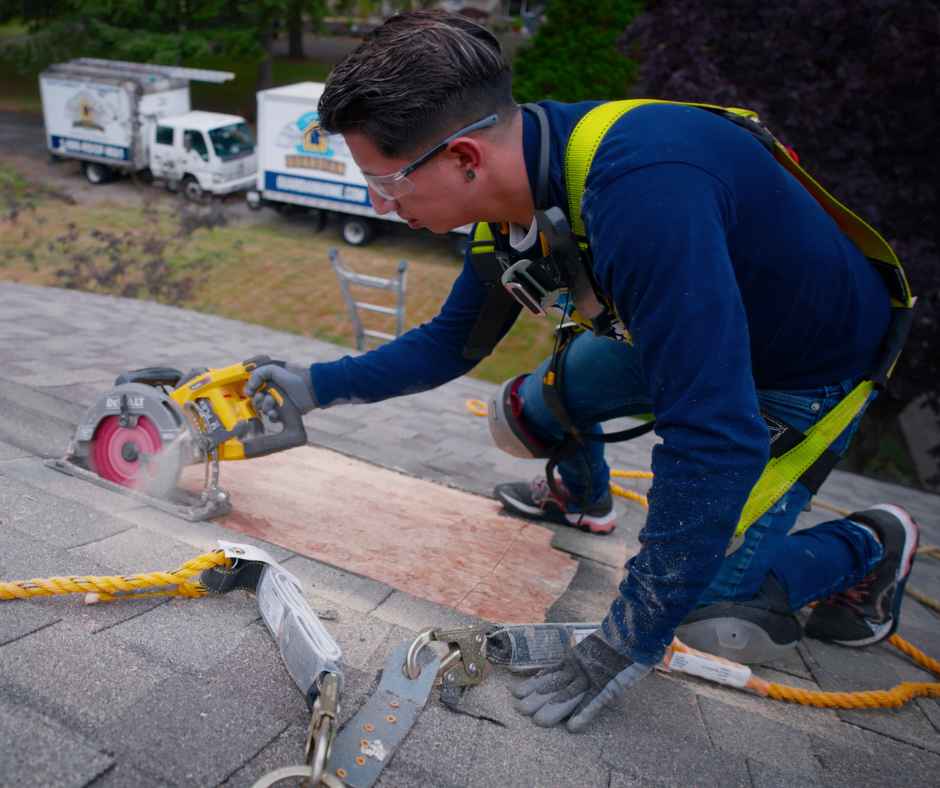
The Pacific Northwest is known for its beautiful scenery, lush greenery, and year-round moisture. While the climate is ideal for forests and gardens, it creates demanding conditions for roofs and gutters. Heavy rainfall, moss growth, falling needles, and constant cloud cover all place continuous strain on a home’s exterior. Without regular care, these conditions can lead to leaks, structural damage, clogged gutters, and reduced roof lifespan.
For homeowners in the PNW, a consistent roof and gutter maintenance routine is essential. Many issues begin small, and because moisture lingers for long periods, problems can develop quickly if they are not caught early. A detailed seasonal checklist helps protect your home, maintain energy efficiency, and prevent costly repairs.
In this blog, Guardian Roofing, Gutters & Insulation provides the ultimate roof and gutter checklist for PNW homeowners, including what to inspect, why each step matters, and how to keep your roof and gutter system in strong condition throughout the year.
Why PNW Weather Creates Unique Roof and Gutter Challenges
The Pacific Northwest climate is defined by long periods of rainfall, cool temperatures, and dense vegetation. These conditions create challenges that homeowners in drier regions do not often encounter. Roofs and gutters in the PNW must withstand persistent moisture, organic buildup, and frequent exposure to shade, making routine inspection and maintenance especially important.
Several regional factors contribute to roof and gutter wear:
- Constant moisture: Rainfall in the PNW often lasts for days at a time, keeping roofing materials wet and reducing their ability to shed water efficiently.
- Moss and algae growth: Damp, shaded areas encourage rapid moss and algae growth, which can lift shingles, trap water, and shorten a roof’s lifespan.
- Wind-driven rain: Coastal and inland storms can push water beneath shingles and behind flashing, leading to hidden leaks.
- Tree debris accumulation: Evergreen needles, leaves, and branches frequently collect in gutters and valleys, restricting drainage and increasing the risk of overflow.
- Freeze-thaw cycles: While milder than other regions, PNW winters still produce temperature swings that cause expansion and contraction in roofing materials.
Understanding these environmental pressures helps homeowners take proactive steps to protect their roof and gutter system. Regular monitoring reduces the impact of moisture, organic growth, and storm-related wear.
Roof Surface Inspection Checklist
The roof surface is the first line of defense against the Pacific Northwest’s heavy rainfall and persistent moisture. Regular roof inspections help identify early signs of wear that can lead to leaks or structural problems if left unaddressed. Because roof surfaces in the PNW are often exposed to shade, organic debris, and damp conditions, monitoring them closely is essential for long-term protection.
Key items to inspect on the roof surface include:
- Missing or damaged shingles: Storms, aging materials, and moss growth can loosen or break individual shingles.
- Lifting shingle edges: Moisture and moss can cause edges to curl or lift, allowing water to seep underneath.
- Granule loss: Bald spots or excess granules in gutters indicate worn shingles that may no longer repel water effectively.
- Moss or algae spread: Green or black patches signal organic growth that holds moisture against the roof surface.
- Soft or spongy sections: Areas that feel soft when walked on may indicate underlying water damage or rot.
- Debris accumulation: Leaves, pine needles, and branches can trap moisture and accelerate wear.
Performing a roof surface inspection several times a year, especially after storms, helps prevent water intrusion and preserves the structural integrity of your home.
Flashing, Seals, and Penetration Points
Flashing and sealed penetration points are among the most vulnerable areas on any roof, especially in the Pacific Northwest’s wet climate. These components protect your home by directing water away from joints, transitions, and openings. When flashing becomes damaged or seals begin to fail, water can enter the home long before homeowners notice a visible leak.
Important areas to inspect include:
- Chimney flashing: Look for lifted edges, rust, deteriorated mortar, or gaps between the flashing and the structure.
- Skylight seals: Ensure the seals around skylight frames remain intact and free of cracks.
- Vent and pipe flashing: Check for worn rubber boots, loose fasteners, or gaps around plumbing and exhaust vents.
- Roof-to-wall transitions: Inspect areas where the roof meets vertical walls, as these joints often collect wind-driven rain.
- Caulking and sealant: Look for cracked, dried, or peeling sealant that no longer provides a watertight barrier.
- Metal flashing condition: Rust, corrosion, or bending may indicate weakened protection that needs repair.
Because flashing and seals handle large volumes of water during storms, small failures can become significant problems quickly. Regular monitoring and timely repair help prevent moisture intrusion and protect the underlying structure.
Gutter and Downspout Health Checklist
Gutters and downspouts play an essential role in protecting PNW homes from water damage. When functioning properly, they direct heavy rainfall away from the roof, siding, and foundation. However, constant moisture, tree debris, and seasonal storms make gutter maintenance a crucial task for homeowners in the Pacific Northwest.
Use the following checklist to evaluate the health of your gutter system:
- Debris buildup: Remove leaves, pine needles, and branches that block water flow and cause overflow during storms.
- Proper water movement: Run water through the gutters to confirm that it flows evenly toward downspouts without pooling.
- Downspout performance: Ensure downspouts are clear and that water exits at least several feet away from the foundation.
- Sagging or misaligned sections: Look for areas where gutters pull away from the roofline or sag due to weight from debris or standing water.
- Leaks at seams or joints: Inspect for dripping during rain or after testing with a hose.
- Rust, corrosion, or cracks: Structural wear can weaken the gutter system and lead to premature failure.
- Overflow signs: Water stains on siding or soil erosion beneath the roofline indicate improper drainage.
Keeping gutters and downspouts in good condition helps prevent roof leaks, foundation issues, and damage to siding or landscaping. Routine checks throughout the year are especially important in areas with dense tree coverage.
Attic and Interior Roof Structure Inspection
While exterior roof surfaces show visible signs of wear, many roofing problems begin inside the home. The attic and interior roof structure offer important clues about moisture intrusion, ventilation issues, and insulation problems. In the Pacific Northwest, where constant moisture and cool temperatures are common, attic monitoring is essential for maintaining a healthy roofing system.
Key items to inspect inside the attic include:
- Moisture or condensation: Damp insulation, wet rafters, or water droplets may indicate poor ventilation or a leak.
- Mold or mildew formation: Musty odors or visible mold suggest prolonged moisture exposure.
- Adequate insulation: Proper insulation helps regulate attic temperature, reducing condensation and preventing heat loss.
- Ventilation airflow: Verify that intake and exhaust vents are unobstructed to promote consistent air movement.
- Dark spots or water stains: Discoloration on wood or drywall often reveals signs of past or active leaks.
- Structural integrity: Look for sagging, warped, or weakened rafters that may suggest long-term moisture damage.
Regular attic inspections help identify roofing issues before they become visible from the outside. Addressing moisture early protects insulation, prevents mold growth, and maintains the overall structural health of the home.
Warning Signs Your Roof Needs Professional Attention
Roof and gutter systems can develop issues gradually, but certain warning signs indicate that a roofing professional should be contacted as soon as possible. The Pacific Northwest’s damp climate allows minor problems to worsen quickly, which makes early detection important for preventing costly repairs and preserving your home’s structure.
Key signs that your roof needs professional attention include:
- Persistent leaks: Dripping, staining, or water intrusion that returns after rain indicates a problem that requires expert repair.
- Shingle curling or cupping: Moisture, moss, and UV exposure can cause shingles to warp, reducing their protective ability.
- Repeated moss growth: Ongoing moss or algae return even after cleaning suggests a deeper moisture-retention issue.
- Structural sagging: A roof that appears uneven or dips in certain sections may be experiencing underlying structural damage.
- Interior water damage: Spots on ceilings, bubbling paint, or peeling drywall are often signs of roof failure.
- Granule accumulation: Excessive shingle granules in gutters signal a roof that is nearing the end of its lifespan.
If any of these warning signs appear, a professional inspection is recommended. Early intervention helps protect your home from long-term water damage and ensures your roof remains strong and dependable in the PNW climate.
Seasonal PNW Roof and Gutter Maintenance Tips
Seasonal maintenance plays an essential role in protecting your roof and gutter system throughout the year. The Pacific Northwest experiences fluctuating weather patterns, from heavy fall foliage to winter storms and spring moisture. A seasonal approach helps homeowners stay ahead of common issues and extend the lifespan of their roofing system.
Effective seasonal maintenance steps include:
- Fall leaf cleanup: Remove leaves, pine needles, and branches from roof valleys and gutters to maintain proper drainage during the rainy season.
- Winter storm preparation: Inspect shingles, flashing, and gutters before winter storms arrive to prevent water intrusion and ice-related damage.
- Spring roof washing: Gentle cleaning helps remove moss, algae, and debris that accumulate during wet winter months.
- Summer UV inspection: Warmer, sunnier months provide the opportunity to check for shingle wear, cracking, or early signs of UV damage.
- Year-round gutter checks: No matter the season, keeping gutters clear ensures proper water flow and reduces the risk of overflow or foundation damage.
- Regular moss treatment: Moss thrives in the PNW climate, so periodic treatment helps slow growth and prevent moisture retention.
Using a seasonal maintenance routine helps homeowners keep their roofs and gutters performing at their best. Consistent care throughout the year reduces the risk of major repairs and strengthens your home’s ability to withstand the region’s long rainy season.
Maintaining a Strong Roof and Gutter System in the PNW
The Pacific Northwest’s damp climate, heavy rainfall, and year-round moisture make regular roof and gutter care an essential part of home maintenance. Small issues can develop quickly in this environment, and routine inspections help prevent leaks, structural damage, and expensive repairs. A consistent checklist gives homeowners the confidence to monitor their roof, gutters, and attic for early signs of wear.
By staying proactive, you can protect your home from the effects of moss, debris buildup, and storm-related damage. Seasonal maintenance, combined with professional inspections, ensures your roof and gutter system continues to perform reliably through every season.
For expert service that keeps your PNW home protected all year, contact Guardian Roofing, Gutters & Insulation today.
FAQ: PNW Roof and Gutter Maintenance Questions
How often should PNW homeowners schedule a roof inspection?
Most homes benefit from a professional inspection once a year, but properties surrounded by trees or exposed to heavy moss growth may require inspections every six months to stay ahead of moisture-related damage.
Is moss on my roof always a sign of a problem?
Yes. Moss traps moisture against shingles and can lift them over time. Even small patches should be addressed promptly to prevent long-term deterioration.
What time of year is best for gutter cleaning in the PNW?
Fall and spring are the most important seasons for gutter cleaning due to heavy leaf and needle accumulation. Homes with dense tree coverage may need additional cleanings throughout the year.
Can clogged gutters really cause roof leaks?
Clogged gutters can cause water to pool at the roofline, leading to overflow that seeps into fascia boards, roof decking, and interior spaces. Proper drainage is essential for preventing leaks.
How do I know if my attic ventilation is affecting my roof?
Signs of poor ventilation include condensation, musty odors, uneven temperatures, and recurring mold. These issues place added stress on the roofing system and can shorten the lifespan of shingles and insulation.

Schedule Your Service With Us Today
Offering 5-Star Service To The PNW and puget sound Area