Serving the Pacific Northwest and Puget Sound area






Does Homeowners’ Insurance Cover Roof Damage?
Quick Coverage Summary
For many homeowners, roof insurance can be simplified into three categories.
- Usually covered: damage caused by wind, hail, fire, lightning, smoke, or fallen trees during a storm.
- Usually not covered: damage caused by age, wear and tear, neglect, poor maintenance, and long-term leaks.
- Sometimes limited: older roofs, especially when the insurer applies depreciation or restricts replacement cost coverage.
That simple framework can help you understand the likely direction of a claim, even though every policy has its own terms, limits, and exclusions.
Roof damage can happen fast in the Pacific Northwest. Heavy rain, wind, fallen branches, and winter storms can all put stress on your roofing system. When damage shows up, one of the first questions homeowners ask is simple: Does insurance actually pay for it? For most homeowners, the answer is yes: insurance often covers roof damage caused by a sudden and accidental event, such as wind, hail, fire, lightning, smoke, or a tree falling during a storm. It usually does not cover damage caused by neglect, poor maintenance, or normal wear and tear.
In this blog, you will learn when homeowners’ insurance usually covers roof damage, what types of claims are often denied, how roof age affects coverage, and what steps to take if your roof is damaged.
When Homeowners’ Insurance Covers Roof Damage
Homeowners’ insurance usually covers roof damage when the damage is caused by a covered peril listed in your policy. A covered peril is an unexpected event that causes direct physical damage to your home. In most cases, that includes events like windstorms, hail, fire, smoke, or lightning.
For example, if strong winds tear shingles off your roof during a storm, your policy may help cover the cost of repairs. If a tree falls on your roof during severe weather, the resulting damage is often covered as well. If a fire damages part of your roofing system, insurance will usually treat that as a covered loss.
The main issue is not simply whether the roof is damaged. The real issue is what caused the damage. Insurance is designed to protect against sudden and accidental loss. It is not designed to pay for problems that develop slowly over time.
What Roof Damage Is Usually Covered
Most homeowner’s policies provide dwelling coverage, which helps pay to repair or rebuild the physical structure of your home when a covered event causes damage. Because the roof is part of the home’s structure, roof damage is often included when the cause falls within the policy terms.
Common examples of roof damage that are often covered include:
- Wind damage that lifts, curls, or removes shingles
- Hail damage that cracks or dents roofing materials
- Fire or smoke damage to the roof structure
- Lightning strikes that damage roofing components
- A tree or a large branch falling on the roof during a storm
- Sudden water intrusion caused by a storm opening the roof surface
- Damage from other sudden covered events listed in the policy
Coverage can also extend beyond the roof itself. If a storm damages the roof and water enters the home, the policy may also help cover interior damage, depending on the policy terms and the speed at which the issue is reported.
What Roof Damage Is Usually Not Covered
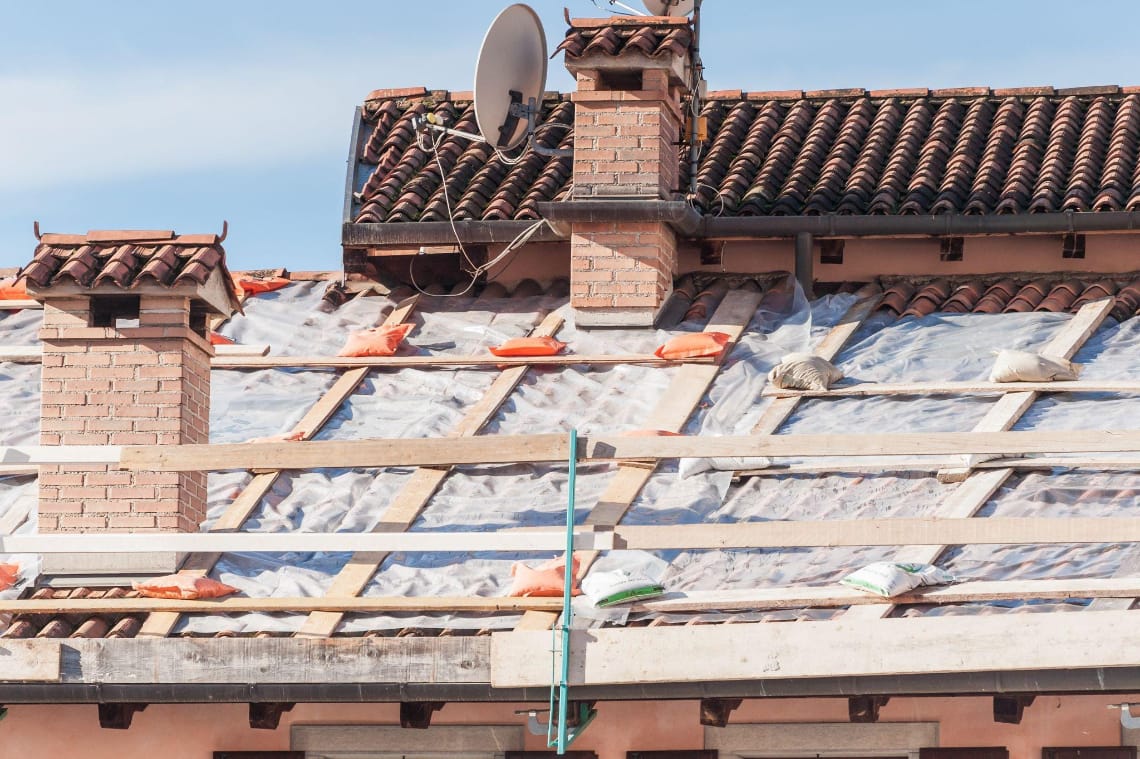
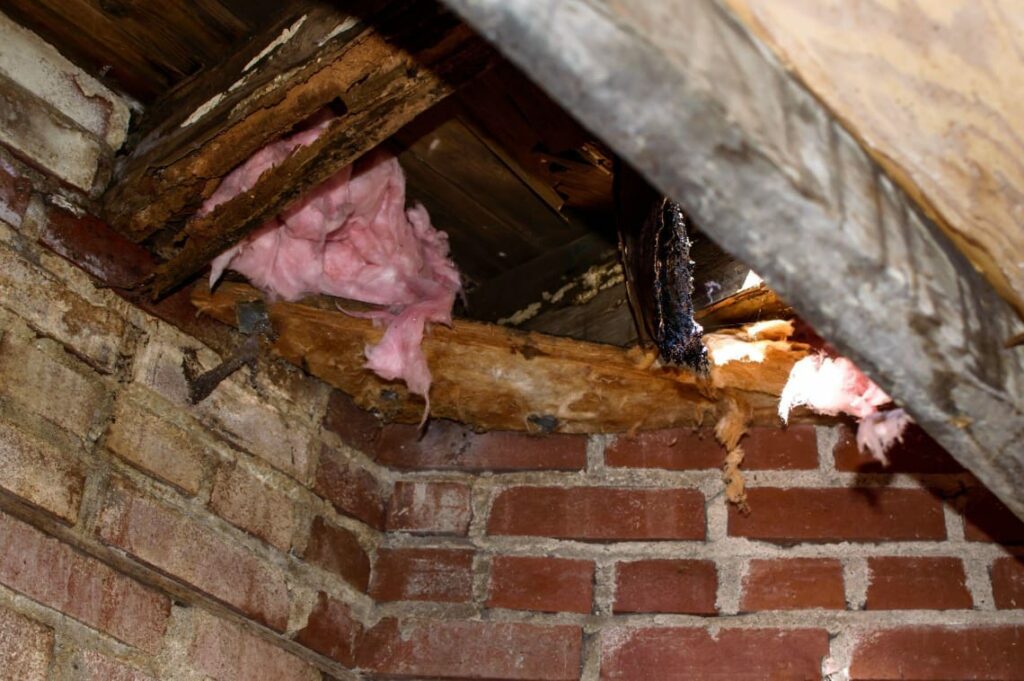
There are also many situations where homeowners’ insurance will not cover roof damage. In general, claims are often denied when the insurer determines the damage could have been prevented through routine maintenance or when the condition developed gradually rather than suddenly.
Common exclusions often include the following:
- Normal Wear And Tear: Roofs age over time. Shingles lose granules, sealants weaken, flashing can fail, and materials become less durable after years of exposure. Insurance companies usually consider this a normal part of homeownership rather than a covered event.
- Neglect or Poor Maintenance: If the roof has been allowed to deteriorate due to ignored repairs or skipped routine upkeep, the insurer may deny the claim. Homeowners are expected to maintain the roof and address minor issues before they become major problems.
- Long-term leaks: A slow leak that develops over months or years is usually not covered. If the leak happened because the roof was old, worn out, or poorly maintained, the insurance company will often classify it as preventable damage.
- Flooding and Earthquakes: Standard homeowners’ insurance policies often do not cover damage caused by floods or earthquakes. Separate coverage may be required for those events.
Does Homeowners Insurance Cover Roof Leaks?
Roof leaks are among the most misunderstood aspects of a homeowner’s insurance policy. The answer is sometimes yes, sometimes no. It depends almost entirely on the source of the leak.
A roof leak may be covered when it is caused by a sudden, covered event. For example, if a storm rips off shingles and rain enters the home immediately afterward, the insurer may cover the damage because the cause was accidental and sudden.
A roof leak is less likely to be covered when it develops gradually. If the leak came from worn flashing, old shingles, neglected repairs, or long-term deterioration, insurance will usually not pay for it.
This is why homeowners should focus on the cause of the leak, not just the leak itself. Two homes may both have water coming through the ceiling, but one claim may be approved while the other is denied, depending on how the damage occurred.
How Roof Age Affects Coverage
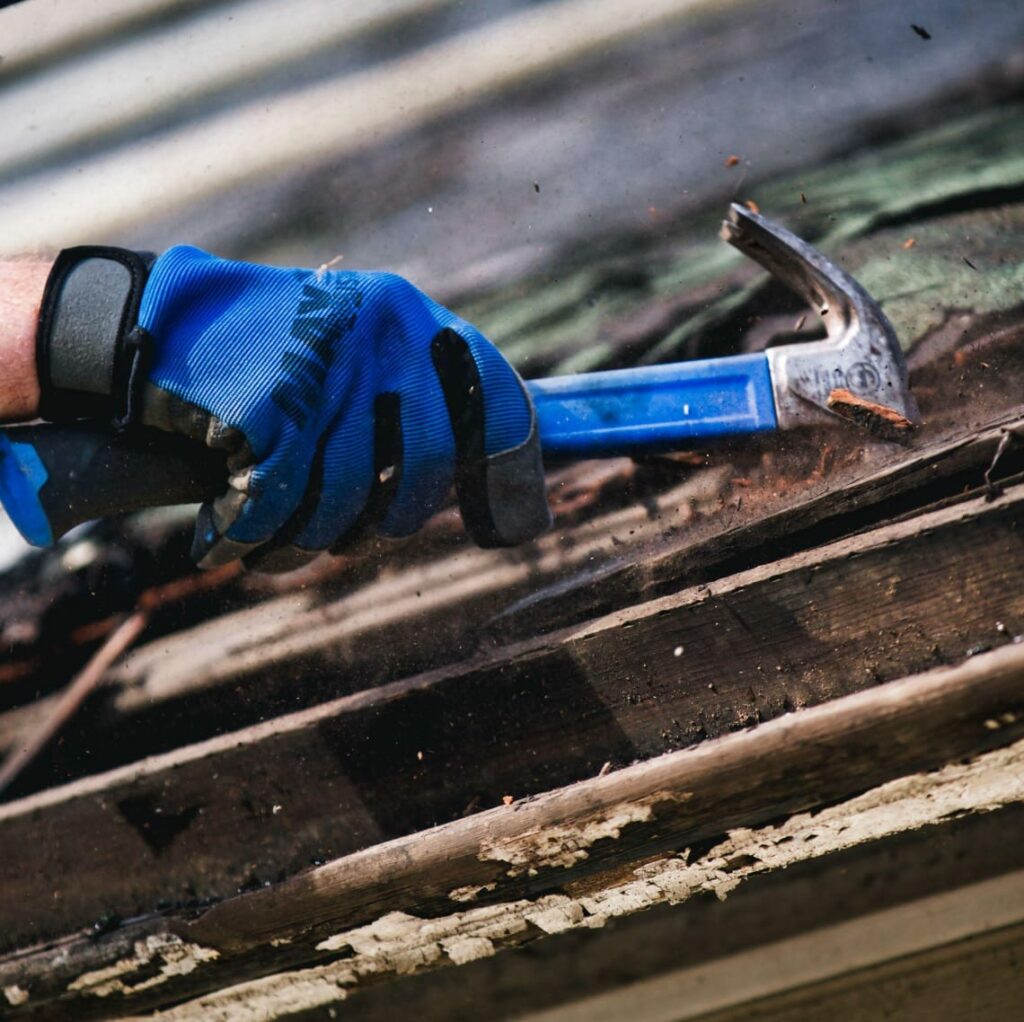
Roof age can play a major role in how an insurance claim is handled. Older roofs are often seen as higher risk because they are more likely to fail under stress and more likely to show signs of pre-existing deterioration.
Some insurance companies reduce coverage on older roofs, especially if the roof is more than 15 to 20 years old. In those cases, the policy may provide actual cash value instead of replacement cost. That means the insurer may pay only the roof’s depreciated value rather than the full cost to replace it.
An older roof does not always mean a claim will be denied. However, it can lead to:
- Lower claim payouts
- Greater scrutiny during inspection
- More questions about prior maintenance
- Reduced eligibility for full replacement cost coverage
This is one reason why it is important to keep maintenance records, inspection reports, and receipts for any roofing work done over time.
What To Do After Roof Storm Damage
If your roof is damaged during a storm or another sudden event, taking the right steps quickly can help protect your home and strengthen your insurance claim.
- Document the Damage: Take clear photos and videos from the ground if it is safe to do so. Capture missing shingles, fallen tree limbs, damaged gutters, ceiling stains, attic moisture, and visible debris around the property.
- Prevent Further Damage: Homeowners are generally expected to take reasonable steps to stop additional damage after a covered event. That may include placing a temporary tarp over the damaged area or arranging emergency repairs.
- Review Your Insurance Policy: Check your deductible, coverage type, exclusions, and whether the claim would be paid on a replacement-cost or actual-cash-value basis. This helps you understand what the insurer may cover before the process begins.
- Contact Your Insurance Company Promptly: Report the damage as soon as possible. Delays can create problems during the claims process, especially if the insurer believes additional damage happened because the issue was not addressed quickly.
- Schedule A Professional Roof Inspection: A roofing professional can help identify storm-related damage, document its condition, and provide a clear assessment of what needs repair or replacement. That documentation can be valuable during the claims process.
- Save Every Record: Keep inspection notes, maintenance records, repair receipts, photos, and any communication related to the claim. The more organized your documentation is, the easier it is to support your case.
How To Improve Your Chances Of A Successful Claim
Insurance claims are often stronger when the homeowner can show that the roof was in good condition before the event and that the damage clearly resulted from a covered cause.
A few simple habits can help:
- Schedule regular roof inspections
- Clean gutters and remove debris
- Address loose shingles and flashing issues early
- Keep records of inspections and repairs
- Take photos after major maintenance work
- Act quickly after storms or visible damage
- Do not let small leaks go unresolved
These steps help show that you have properly maintained the roof. They can also make it harder for an insurer to argue that neglect or pre-existing deterioration caused the problem.
Choose Guardian Roofing, Gutters & Insulation for Roof Work
Homeowners’ insurance often covers roof damage, but coverage depends on the cause. If the damage resulted from a sudden, accidental event, there is a good chance the policy may help pay for repairs. If the damage came from age, neglect, or long-term deterioration, the claim is much more likely to be denied.
The best way to protect yourself is to maintain your roof, keep good records, and act quickly when damage occurs. If you are dealing with roof damage and need a professional inspection or expert guidance on the next steps, Guardian Roofing is here to help. Contact us today to schedule an inspection and get trusted support for your roofing needs.

Schedule Your Service With Us Today
Offering 5-Star Service To The PNW and puget sound Area