Serving the Pacific Northwest and Puget Sound area







Common Gutter Problems in Western Washington: A Homeowner’s Repair vs. Replace Checklist
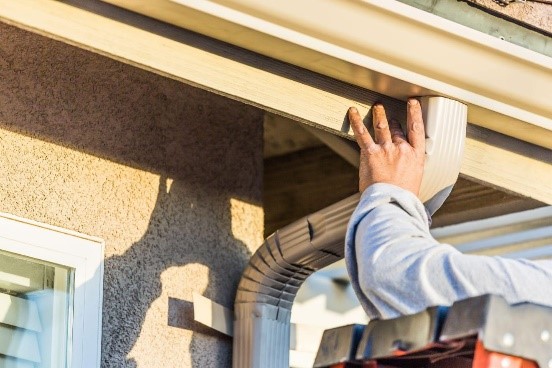
The most common gutter problems include clogs, leaks, sagging, poor drainage, rust, joint separation, and ice dams. In most cases, these issues can be fixed with regular cleaning, proper pitch, secure fasteners, and timely repairs before water damage spreads to the roof, siding, or foundation.
A small gutter issue can turn into a big home repair faster than most homeowners expect. What starts as a little overflow during a storm can lead to rotted fascia, stained siding, washed-out landscaping, and water pooling around the foundation.
That is why gutter problems should never be ignored. When your gutter system stops directing water away from your home, every heavy rain creates another opportunity for damage.
In this guide, you will learn the most common gutter problems, what causes them, how to fix them, and when it may be time to repair or replace your gutter system.
Why Do Gutters Get Clogged, and How Do You Fix Them?
Clogged gutters are one of the most common gutter problems homeowners face. Leaves, pine needles, twigs, roof granules, and other debris can accumulate in the gutter channel, blocking water flow.
When that happens, rainwater spills over the sides instead of draining through the downspouts. Overflowing water can damage fascia boards, siding, landscaping, and even the foundation over time.
To fix clogged gutters:
- Remove leaves and debris by hand or with a gutter scoop
- Flush the gutters and downspouts with a hose
- Check for hidden blockages in elbows and downspout openings
- Clean the system regularly, especially during spring and fall
To help prevent future clogs, a gutter protection system can reduce debris buildup and lower maintenance.
What Causes Sagging Gutters?
Sagging gutters happen when the system can no longer support the weight inside it. That extra weight may come from wet debris, standing water, ice, or fasteners that have loosened over time.
Once a section begins to sag, water starts pooling in the low spot instead of draining properly. That adds even more weight and puts extra strain on the brackets, hangers, and fascia.
To fix sagging gutters:
- Remove debris and standing water
- Tighten or replace loose hangers and brackets
- Repair damaged fascia if the fasteners no longer hold securely
- Check the gutter pitch to make sure water flows toward the downspouts
If multiple sections are sagging, the better solution may be partial or full replacement.
How Do You Repair Leaking Gutters?
Gutters often leak at seams, corners, end caps, or small cracks in the channel. Even a minor leak can allow water to drip behind the gutter and damage the wood trim, soffit, or siding below.
Common signs of leaking gutters include:
- Water dripping from joints during rain
- Staining on the fascia or siding
- Mildew or moisture near the roofline
- Peeling paint around the gutter system
To fix leaking gutters:
- Clean and dry the leaking area
- Apply gutter sealant to small cracks or seams
- Replace sections with repeated or widespread leaks
- Inspect the connections between gutters and downspouts
If leaks continue returning, the gutter system may be worn out or improperly installed.
Why Are My Gutters Not Draining Properly?
Poor gutter drainage usually means water is not moving through the system the way it should. This can happen because of clogs, improper slope, standing water, or downspouts that are not handling water efficiently.
When gutters do not drain properly, water may overflow during storms or remain trapped long after the rain has ended.
To improve drainage:
- Remove debris from gutters and downspouts
- Confirm the gutters are pitched toward the downspouts
- Add or extend downspouts if needed
- Make sure water is discharged away from the home
A properly functioning gutter system should move water quickly and consistently without overflow or pooling.
What Are Ice Dams, and How Do They Affect Gutters?
Ice dams form when snow melts on a warmer part of the roof and then refreezes near the colder roof edge. This ice can block drainage, trap water behind it, and force moisture back under the shingles.
Ice dams can also place heavy stress on gutters, bending or pulling them away from the home.
To reduce the risk of ice dams:
- Improve attic insulation
- Improve attic ventilation
- Clean gutters before winter begins
- Address drainage issues that allow water to sit and freeze
If ice dams happen regularly, the issue may involve both the roof system and the gutters.
When Should Damaged Gutters Be Repaired or Replaced?
Cracks, dents, holes, bent sections, and impact damage can all reduce gutter performance. Even minor damage can disrupt water flow or create weak points that worsen over time.
Repair may be enough when:
- The damage is limited to one area
- The rest of the gutter system is still in good condition
- Leaks can be sealed successfully
Replacement may be the better choice when:
- Damage appears in multiple sections
- Gutters are pulling away from the house
- Rust, leaks, or separation keep returning
- The system is older and no longer reliable
Addressing damaged gutters early can help prevent more serious repairs later.
What Happens When Downspouts Stop Working?
Downspouts carry rainwater from the gutters to the ground. If a downspout becomes clogged, disconnected, crushed, or too short, water may collect near the base of the home instead of draining safely away.
Common downspout problems include:
- Blockages from leaves and debris
- Loose or disconnected sections
- Water emptying too close to the foundation
- Too few downspouts for the size of the roof
To fix downspout issues:
- Flush out blockages with water pressure
- Reconnect loose sections
- Replace crushed or damaged parts
- Add splash blocks or extensions to direct water away
Downspouts should move water far enough away from the home to help protect the foundation and landscaping.
What Happens If Gutters Are Installed at the Wrong Slope?
Gutters need a slight pitch so water can flow toward the downspouts. If the slope is too flat or uneven, water may sit inside the system or overflow in certain sections.
Improper slope can lead to:
- Standing water
- Mosquito activity
- Sagging from excess weight
- Faster rust and material wear
- Overflow during normal rainfall
To correct gutter-slope problems, the system may need to be rehung and adjusted to ensure water drains evenly and efficiently.
Why Do Gutter Joints Separate?
Older sectional gutters often separate at the joints over time. Weather exposure, debris weight, failing sealant, and repeated expansion and contraction can all cause the sections to pull apart.
Separated joints can cause leaks, drips, and structural weaknesses throughout the system.
To fix joint separation:
- Inspect seams and corners regularly
- Reseal small gaps when possible
- Replace damaged connectors
- Replace aging sectional gutters if separation is widespread
Frequent joint separation is often a sign that the gutter system is nearing the end of its lifespan.
Why Do Gutters Rust?
Rust is a common issue in older metal gutters, especially when water sits in the channel too long. Once rust begins, it can weaken the material and eventually create holes.
Rust often forms faster when gutters have:
- Poor drainage
- Standing water
- Failing coatings or paint
- Debris that traps moisture
To manage rust:
- Remove debris and improve drainage
- Scrape and treat small rust spots early
- Repaint or reseal affected areas when appropriate
- Replace sections that are badly corroded
If rust is widespread, replacing the system with a more corrosion-resistant option may be the best long-term solution.
Can Plants Really Grow in Gutters?
Yes. When gutters stay full of wet leaves and decomposing debris, they can create the right conditions for weeds, moss, and even small plants to grow.
Plant growth inside gutters is a clear sign that debris has been sitting long enough to trap moisture and break down into soil-like material. It also adds weight, increases the risk of sagging, and blocks water flow.
To fix this problem:
- Remove all debris and plant growth
- Flush the entire gutter system
- Check for hidden damage underneath the buildup
- Clean the gutters on a regular schedule
Quick Summary: Common Gutter Problems and Fixes
Here is a simple breakdown of the most common gutter issues and how to address them:
- Clogged Gutters: Clean out leaves and debris
- Sagging Gutters: Tighten or replace hangers and remove excess weight
- Leaking Gutters: Seal seams or replace damaged sections
- Poor Drainage: Fix clogs, pitch issues, or downspout layout
- Ice Dams: Improve insulation, ventilation, and winter drainage
- Damaged Gutters: Repair small problem areas or replace failing sections
- Downspout Issues: Clear clogs and direct water away from the home
- Improper Slope: Rehang gutters to restore proper pitch
- Separated Joints: Reseal or replace failing connections
- Rust: Treat early corrosion or replace affected sections
- Plants in Gutters: Remove buildup and keep the system clean
How Can You Prevent Gutter Problems?
Most gutter problems are easier and less expensive to prevent than to repair. Regular inspections, seasonal cleaning, and quick attention to minor damage can help extend the life of your gutter system and protect your home from water damage.
If your gutters keep clogging, leaking, sagging, or overflowing, do not wait for the next storm to worsen the problem. Guardian Roofing, Gutters & Insulation can inspect your gutter system, identify the source of the issue, and recommend the right repair or replacement solution for your home. Contact Guardian Roofing today to schedule an inspection and protect your roof, siding, and foundation.


Schedule Your Service With Us Today
Offering 5-Star Service To The PNW and puget sound Area