Serving the Pacific Northwest and Puget Sound area






How Often Do You Need To Seal Your Flat Roof?
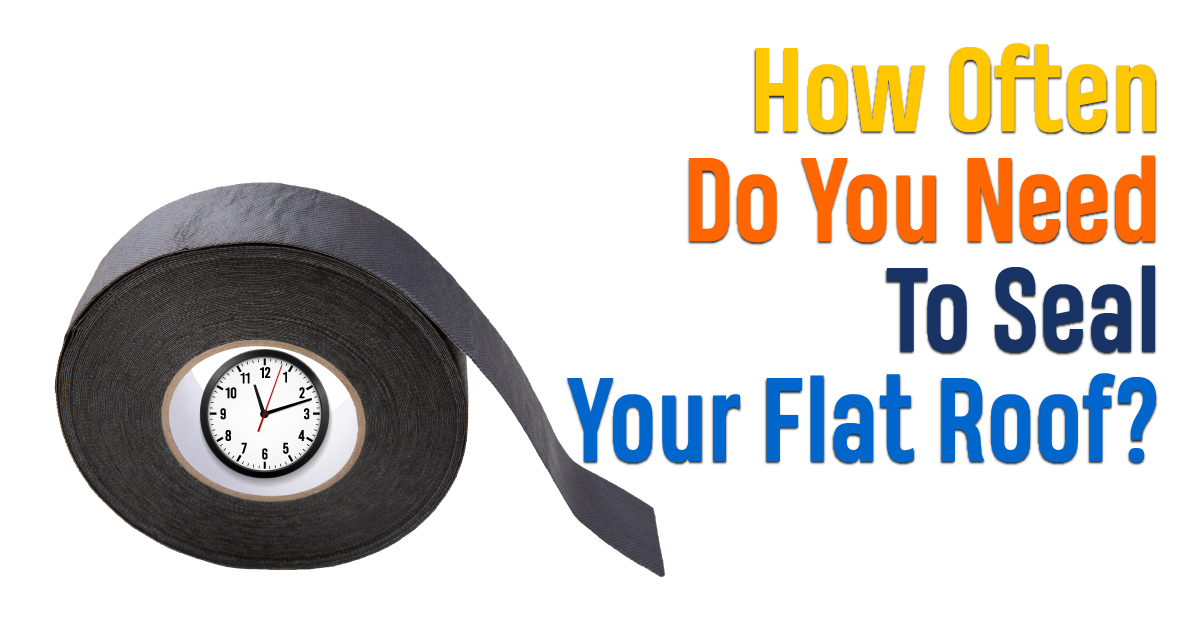
Most flat roofs should be resealed about every 5 years, but the right timing depends on the roof material, coating type, drainage, weather exposure, and overall roof condition. In Washington and the Pacific Northwest, rain, standing water, moss, debris, and seasonal storms can wear down flat roof coatings faster.
Roof coating helps protect a flat roof from moisture, UV exposure, and surface wear, but it is not a fix for serious leaks, trapped moisture, structural damage, or a roof that is already failing. If your flat roof is cracking, blistering, leaking, ponding, or showing signs of age, schedule a professional roof inspection before deciding whether to reseal, repair, or replace it.
Flat roofs need regular maintenance because they do not shed water the same way steep-slope roofs do. Even when a flat roof is properly installed, rain, debris, sun exposure, and foot traffic can slowly wear down the roof surface.
A roof coating creates a protective layer over the roof system. It helps reduce water intrusion, limits surface damage, and can extend the life of the roof when applied at the right time.
In this guide, we’ll explain how often a flat roof should be sealed, what signs mean your roof may need recoating, when sealing is not enough, and how Guardian Roofing can help you protect your flat roof with inspections, maintenance, repairs, and replacement services.
How Often Should You Seal a Flat Roof?
Most flat roofs should be resealed about every 5 years. However, that timeline can change depending on your roof type, coating product, maintenance history, and exposure to Pacific Northwest weather.
Your flat roof may need sealing sooner if:
- Water regularly ponds on the roof after rain
- The coating looks thin, worn, cracked, or patchy
- The roof has heavy exposure to sun, wind, or debris
- Moss, algae, leaves, or needles are collecting on the surface
- Drains or scuppers clog frequently
- The roof has had previous repairs
- You notice leaks, stains, or moisture inside the building
A well-maintained roof that drains properly may be able to stay on a predictable maintenance schedule. A roof with standing water, poor drainage, or existing damage may need attention sooner.
What Does Flat Roof Coating Do?
Flat roof coating is designed to protect the roof surface and help extend the life of the roofing system. It can be especially helpful when the roof is still in good condition but needs added protection from weather and wear.
A flat roof coating can help:
- Create a protective waterproofing layer
- Reduce wear from rain and standing moisture
- Help reflect sunlight and reduce surface heat
- Protect the roof membrane from UV exposure
- Seal small surface-level cracks
- Slow normal aging of the roofing material
- Extend the roof’s service life when used correctly
Coating works best as preventive maintenance. It should be applied before the roof has major damage, not after the system has already started to fail.
What Factors Affect How Often a Flat Roof Needs Sealing?
Every flat roof is different. Some roofs need recoating sooner than others because of exposure, drainage, materials, and maintenance history.
Factors that affect how often you need to seal a flat roof include:
- Roof material: Different flat roofing systems respond differently to coatings. The right coating schedule depends on the roof type and product used.
- Ponding water: Standing water can wear down coatings, stress the roof membrane, and increase the risk of leaks.
- Pacific Northwest rain: Frequent rainfall makes waterproofing and drainage especially important for flat roofs in Washington.
- Sun exposure: UV exposure can dry, age, and weaken roof surfaces over time.
- Tree debris: Leaves, needles, branches, and moss can trap moisture and damage the coating.
- Drainage: Clogged drains, blocked scuppers, and low spots can shorten coating life.
- Foot traffic: HVAC service, maintenance access, and repeated roof walking can wear down the surface.
- Roof age: Older roofs may need closer inspection before coating. A failing roof may need repair or replacement instead.
- Previous repairs: Patched areas, seams, and flashing details may need extra attention before recoating.
What Are the Signs Your Flat Roof Needs to Be Resealed?
A flat roof often shows warning signs before it develops major leaks. The sooner those signs are addressed, the easier it is to prevent costly damage.
Your flat roof may need resealing if you notice:
- Cracks in the coating or membrane
- Blistering, bubbling, or peeling areas
- Exposed seams or worn flashing
- Ponding water that remains after rainfall
- Soft spots or uneven areas on the roof surface
- Water stains on ceilings or interior walls
- Mold, mildew, or musty odors inside the building
- Loose or deteriorated coating around vents, drains, or edges
- Granules, residue, or coating material washing into drains
- A roof surface that looks faded, dry, or brittle
If you see these signs, do not assume a new coating will solve the problem. The roof should be inspected first to confirm whether sealing is appropriate.
When Is Sealing a Flat Roof Not Enough?
Flat roof coating can help protect a roof, but it cannot repair every problem. Applying a coating over serious damage can trap moisture, hide leaks, and delay needed repairs to protect the building.
Sealing may not be enough if:
- The roof is already leaking
- The roof deck is soft, rotted, or damaged
- Water is trapped under the membrane
- Large areas of the roof are blistering or separating
- The roof has widespread cracks or open seams
- Flashing is failing around walls, vents, skylights, or edges
- Ponding water is caused by poor roof structure or drainage design
- The roof is near the end of its service life
- Repairs have become frequent or expensive
In these cases, a repair or replacement may be the better long-term solution. A professional inspection can help you avoid spending money on coating when the roof needs more than surface protection.
Should You Reseal, Repair, or Replace Your Flat Roof?
The right solution depends on the condition of the roof system.
Resealing may be the right option if:
- The roof is still structurally sound
- The membrane is mostly intact
- There are no active leaks
- Drainage is working properly
- The existing coating is worn but not failing completely
- You want to extend the life of the roof with preventive maintenance
Flat roof repair may be the right option if:
- Damage is limited to one area
- A seam, flashing detail, or penetration needs attention
- There is a minor leak that can be properly corrected
- Drainage issues can be fixed without full replacement
Flat roof replacement may be the right option if:
- The roof has widespread damage
- Water is trapped beneath the roof system
- The roof is old and deteriorating
- Leaks keep returning
- Ponding water has caused long-term damage
- Repairs or coatings would only provide a temporary fix
Guardian Roofing can evaluate your roof and explain which option makes the most sense for your building, budget, and long-term protection.
How Can You Help a Flat Roof Last Longer?
Routine maintenance is the best way to protect a flat roof. Because flat roofs are more vulnerable to standing water and debris buildup, they need consistent attention throughout the year.
To help extend the life of your flat roof:
- Schedule regular professional inspections
- Keep drains, gutters, and scuppers clear
- Remove leaves, branches, needles, and debris
- Watch for ponding water after heavy rain
- Address small cracks or worn areas early
- Limit unnecessary foot traffic
- Check flashing around walls, vents, skylights, and roof edges
- Inspect the roof after major storms
- Keep nearby trees trimmed
- Reseal the roof before the coating fully fails
A flat roof that is inspected and maintained regularly is easier to repair, easier to protect, and less likely to develop unexpected leaks.
Schedule a Flat Roof Inspection with Guardian Roofing
If your flat roof is approaching the 5-year mark, showing signs of wear, or starting to leak, Guardian Roofing can help you determine the best next step. Our team understands flat roofing systems, Washington weather, and the maintenance challenges that come with Pacific Northwest rain, debris, and drainage issues.
We’ll inspect your roof surface, seams, flashing, drainage areas, penetrations, coating condition, and signs of moisture damage. Then we’ll explain whether your roof is a good candidate for resealing or whether repair or replacement would be the smarter long-term option.
Do not wait for a small flat roof issue to become a major leak. Contact Guardian Roofing today to schedule your flat roof inspection and get clear, professional guidance on whether your roof should be resealed, repaired, or replaced.

Schedule Your Service With Us Today
Offering 5-Star Service To The PNW and puget sound Area