Serving the Pacific Northwest and Puget Sound area






How Long Should A Roof Last In Washington State?
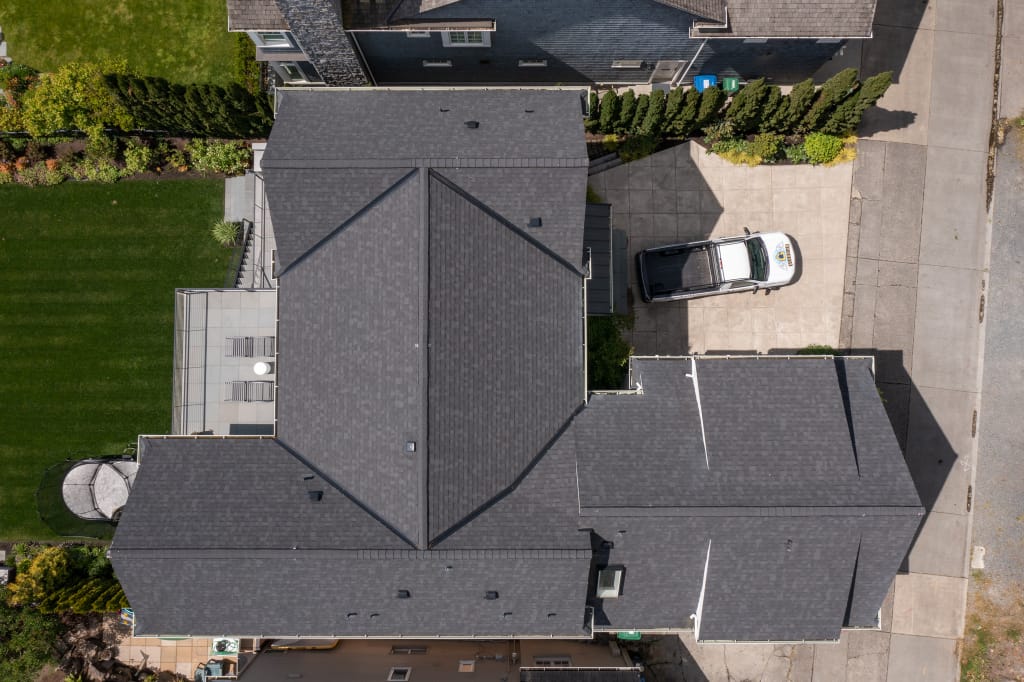
In Washington State, most roofs last about 20 to 30 years, depending on the roofing material, installation quality, ventilation, maintenance, and exposure to rain, wind, moss, trees, and seasonal storms. Asphalt shingles are the most common roofing material and typically last around 20 years, while metal, tile, and premium roofing systems may last longer with proper maintenance.
Washington’s wet climate can shorten a roof’s lifespan if moisture, moss, clogged gutters, or storm damage are ignored. The best way to protect your home is to schedule regular roof inspections, handle small repairs early, and replace your roof before leaks cause structural damage.
Your roof is one of the most important parts of your home. It protects your structure, insulation, attic, siding, and interior from the Pacific Northwest’s heavy rain, strong winds, falling debris, and seasonal temperature changes.
In Washington State, roof lifespan is not just about age. A 15-year-old roof with poor ventilation, moss buildup, and repeated storm exposure may be closer to replacement than a 25-year-old roof that has been well maintained.
In this guide, we’ll explain how long roofs typically last in Washington State, what factors shorten roof life, when to repair versus replace your roof, and how Guardian Roofing can help you protect your home with professional inspections, repairs, maintenance, and roof replacement services
How Long Does a Roof Last in Washington State?
Most roofs in Washington State last 20 to 30 years, but the exact lifespan depends on the type of roofing material and the roof’s maintenance.
Common roof lifespan ranges include:
- Asphalt shingles: Typically last 20 to 25 years. This is one of the most common roofing materials for Washington homes, but it can be affected by moss, moisture, wind, and poor ventilation.
- Architectural shingles: Typically last 25 to 30 years. These shingles are thicker and more durable than standard asphalt shingles.
- Metal roofing: Typically lasts 40 to 70 years. Metal roofs can perform well in wet climates when properly installed.
- Tile roofing: Can last 50 years or longer. Tile is durable but heavy, so it is not ideal for every home.
- Wood shakes: Typically last 20 to 30 years. In Washington’s damp climate, wood roofing requires consistent maintenance.
- Flat roofing systems: Typically last 15 to 30 years, depending on the material, drainage, and installation quality.
For many Washington homeowners, asphalt or architectural shingles are the most common roofing systems. These roofs can perform well, but they need regular care because wet weather, shaded areas, tree debris, and moss growth can accelerate wear.
What Factors Shorten a Roof’s Lifespan in the Pacific Northwest?
Washington roofs face unique conditions that can reduce their service life. Even a high-quality roofing system can fail early if it is not installed correctly or maintained over time.
The most common roof lifespan factors include:
- Rain and moisture: Persistent rain is one of the biggest threats to roofs in Washington. Water can find its way under damaged shingles, worn flashing, cracked seals, or clogged drainage areas. Once moisture enters the roof system, it can lead to wood rot, mold, damaged insulation, and interior leaks.
- Moss and algae growth: Moss is common on Washington roofs, especially in shaded areas or under trees. While it may look harmless at first, moss holds moisture against the roof surface. Over time, it can lift shingles, trap debris, and create pathways for water intrusion.
- Wind and storm damage: Strong winds can loosen shingles, damage flashing, expose underlayment, and create small openings in the roof system. Storm damage is not always obvious from the ground, which is why an inspection is important after severe weather.
- Tree debris and clogged gutters: Leaves, needles, branches, and other debris can collect in valleys, gutters, and roof edges. When water cannot drain properly, it can back up under roofing materials or overflow near the foundation.
- Poor attic ventilation: A roof needs proper airflow to perform well. Poor ventilation can trap heat and moisture inside the attic, leading to condensation, mold, decking damage, and premature shingle deterioration.
- Installation quality: Even the best roofing materials can fail early if they are installed incorrectly. Proper flashing, underlayment, ventilation, fastening, drainage, and workmanship all play a role in how long your roof lasts.
How Do You Know When Your Roof Needs Repair or Replacement?
Not every roof problem requires a full replacement. Some issues can be repaired if they are caught early. However, widespread damage, repeated leaks, or an aging roof may mean replacement is the better long-term investment.
Common signs your roof may need professional attention include:
- Missing, cracked, curled, or loose shingles
- Moss growth that keeps returning
- Dark streaks or worn areas
- Leaks or water stains on ceilings
- Sagging roof sections
- Damaged flashing around chimneys, vents, or skylights
- Granules collecting in gutters
- Higher energy bills from poor ventilation
- Soft spots or visible rot
- A roof that is 20 years old or older
If your roof has isolated damage, a repair may be enough. If the roof has widespread wear, moisture intrusion, or repeated issues, replacement may be more cost-effective.
Should You Repair or Replace an Older Roof?
The right choice depends on the roof’s age, condition, level of damage, and long-term performance.
A roof repair may be the right option if:
- The damage is limited to one area
- The roof is still relatively young
- The rest of the roof system is in good condition
- There are no recurring leaks
- The roof has not reached the end of its expected lifespan
A roof replacement may be the better option if:
- The roof is near the end of its expected lifespan
- There are multiple leaks
- Shingles are cracked, curled, missing, or deteriorating across large areas
- Moss, moisture, or rot has caused widespread damage
- Repairs are becoming frequent or expensive
- You want to improve long-term home protection and value
Guardian Roofing can inspect your roof and give you a clear recommendation. Our goal is not to sell you a roof you do not need. Our goal is to help you make the safest, smartest decision for your home.
How Can Washington Homeowners Make Their Roof Last Longer?
Routine maintenance is the best way to extend your roof’s life. In Washington’s wet climate, small problems can quickly turn into expensive damage when ignored.
To help your roof last longer:
- Schedule regular roof inspections: Professional inspections help find small problems before they become major repairs.
- Clean gutters and downspouts: Clear gutters allow water to drain away from the roof and foundation.
- Remove leaves, needles, and debris: Debris can trap moisture and damage the roof surface.
- Address moss growth early: Moss can hold moisture against your roof and lift shingles if left untreated.
- Trim overhanging branches: Trimming trees helps reduce debris, shade, and storm impact.
- Check attic ventilation: Proper ventilation helps prevent condensation and premature roof aging.
- Repair damaged flashing: Flashing protects vulnerable leak points around chimneys, skylights, vents, and roof transitions.
- Inspect after major storms: Wind and debris can cause damage that is not always visible from the ground.
Most homeowners should have their roof inspected at least once a year, especially if the home is surrounded by trees or has a history of moss, leaks, or storm damage.
What Happens If You Wait Too Long to Replace Your Roof?
Delaying roof replacement can lead to more than a few missing shingles. Once a roof begins to fail, water can move into the attic, insulation, walls, and structural framing. What starts as a roofing issue can become a much larger home repair problem.
Waiting too long can lead to:
- Interior water damage
- Mold or mildew growth
- Damaged insulation
- Rotted roof decking
- Structural repairs
- Higher energy costs
- Emergency leak repairs
- Reduced home value
Replacing your roof before it fails can help you avoid emergency repairs and protect the long-term value of your home.
Get a Professional Roof Inspection from Guardian Roofing
If you are wondering how much life your roof has left, Guardian Roofing can help. Our experienced roofing team understands Washington homes, Pacific Northwest weather, and the roofing problems local homeowners face every season.
We inspect the full roof system, including shingles, flashing, ventilation, gutters, drainage areas, roof penetrations, and signs of moisture damage. After the inspection, we’ll explain what we found, answer your questions, and recommend the best next step.
Do not wait until a small roof issue becomes a major leak. Contact Guardian Roofing today to schedule your roof inspection and get a clear, professional assessment of your roof’s condition.

Schedule Your Service With Us Today
Offering 5-Star Service To The PNW and puget sound Area